Ask a Singapore parent when their child should learn to swim and you’ll get a dozen answers: “after preschool”, “when he’s tall enough”, “once she stops crying at bath time”. Meanwhile the pool at the condo is right downstairs, the beach trip is next weekend, and your four-year-old is already trying to climb in on their own.
The truth is that the window between ages 3 and 7 is when swimming does the most for a child, and the benefits are different at each stage. This guide walks through what swimming actually gives a young child in Singapore, what to expect at ages 3 to 4 versus 5 to 7, and how to tell whether lessons are delivering real progress or just a wet afternoon.
Safety comes first, and it is a skill, not a mindset
In a country where most children grow up within walking distance of a pool, water competence is basic life equipment. A child who can float, turn, and reach the wall is safer at a condo pool, a birthday party, or the beach at East Coast Park than one who has only splashed around with floaties.
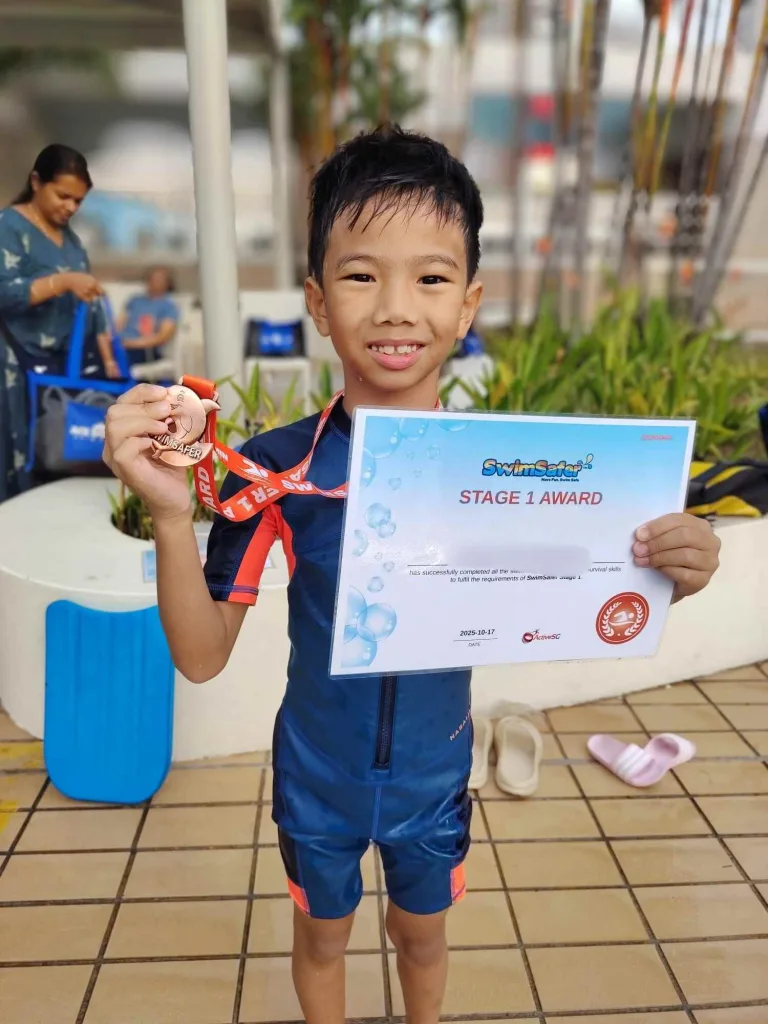
That is the reason Singapore built a national framework around it. SwimSafer 2.0 moves children through six stages, from basic water orientation to survival skills and stroke fundamentals. Ace Dolphin blends it with Japan’s Tatsuki methodology, so each stage has clear, measurable checkpoints rather than a vague sense that “she’s getting better”.
One caution worth saying plainly: lessons make children safer, but they never make children safe. A three-year-old who has learned to float still needs an adult within arm’s reach every time they are near water. Swimming skills are one layer of protection alongside fencing, supervision and rules.
What swimming does for the body
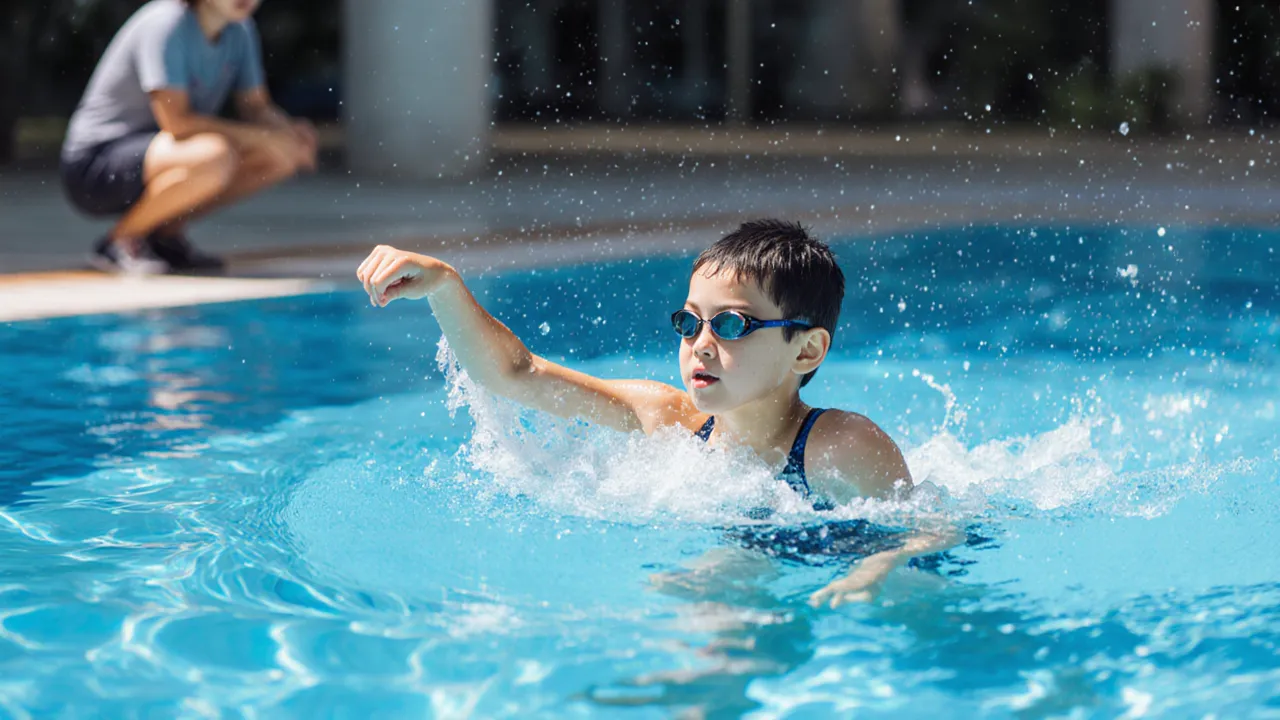
Water is resistance in every direction, so even easy kicking and paddling recruit the legs, core, shoulders and back at the same time. ActiveSG Circle notes that early swimming builds strength, cardiovascular fitness and coordination, and that the breath control involved supports both fine and gross motor skills.
For young children this matters in ordinary ways. Balance improves. Crossing the midline, with the left hand and right leg working together, becomes more natural. Kids who swim regularly often sleep better too, which every parent of a preschooler will appreciate. And in a tropical country where outdoor play in the afternoon heat is limited, a pool is one of the few places a child can run through a full hour of hard exercise without overheating.
Swimming is also low-impact. There is very little jarring on growing joints, which is one reason it makes such a good first sport. The wider benefits of swimming also include relief for some children with asthma, though families should always check with their doctor first.
Ages 3 to 4: comfort, curiosity and the first big wins
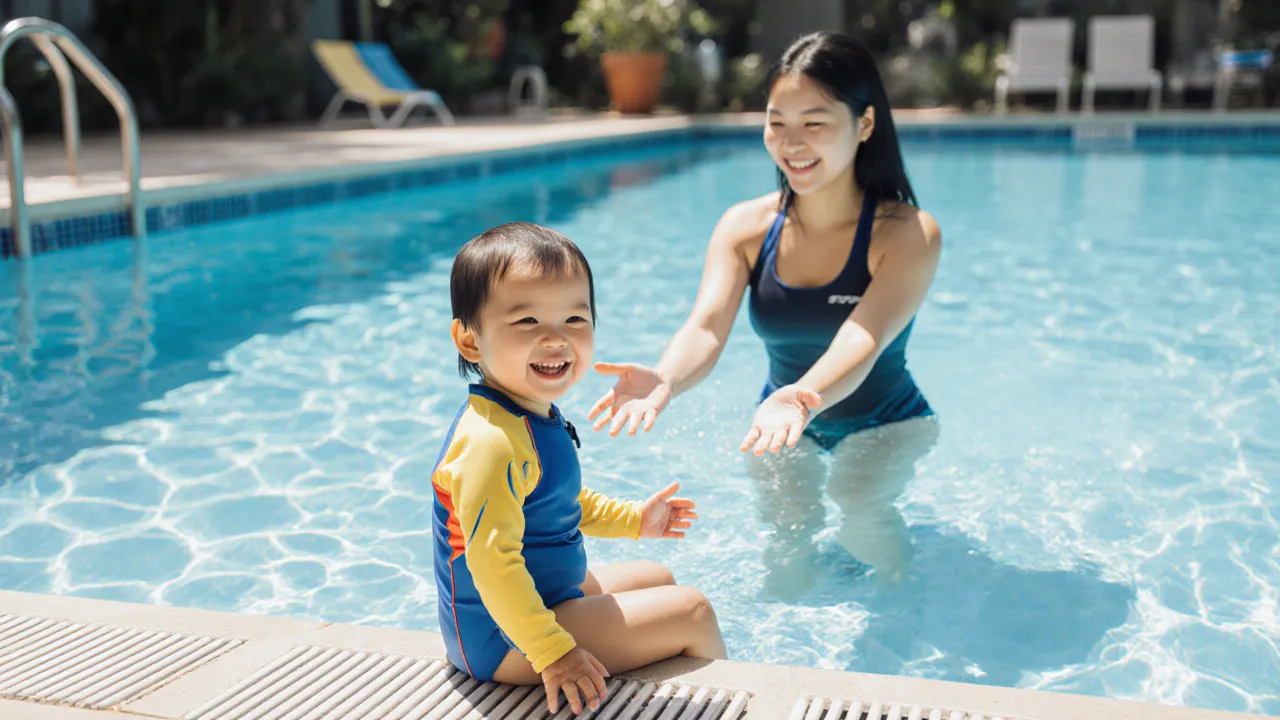
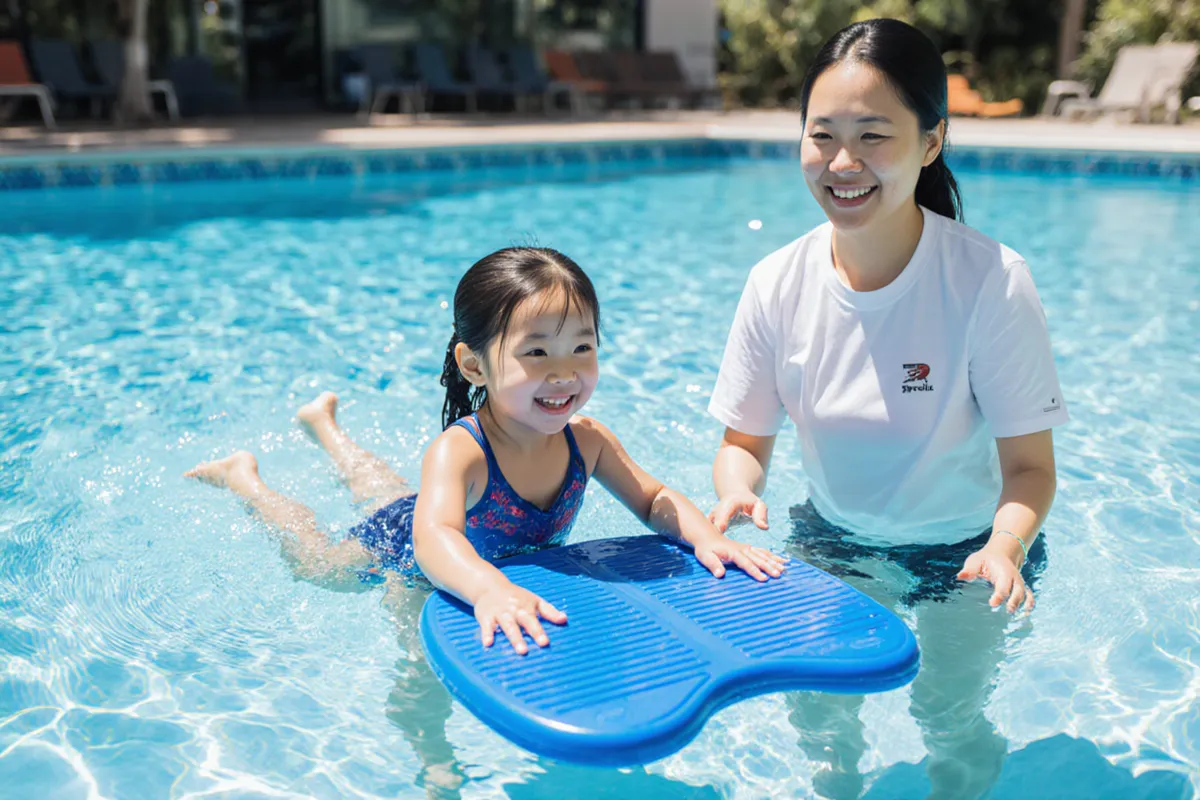
At this age, the goal is not strokes. It is a relationship with water. A three- or four-year-old should leave a lesson thinking the pool is a fun place where they are in charge of their own body.
What progress looks like
Blowing bubbles, putting the face in, holding a float, kicking with support, and letting the coach guide them into a back float. Each of these is small, and each is a huge emotional step for a child who was clinging to a parent’s neck a few weeks ago.
What to watch for
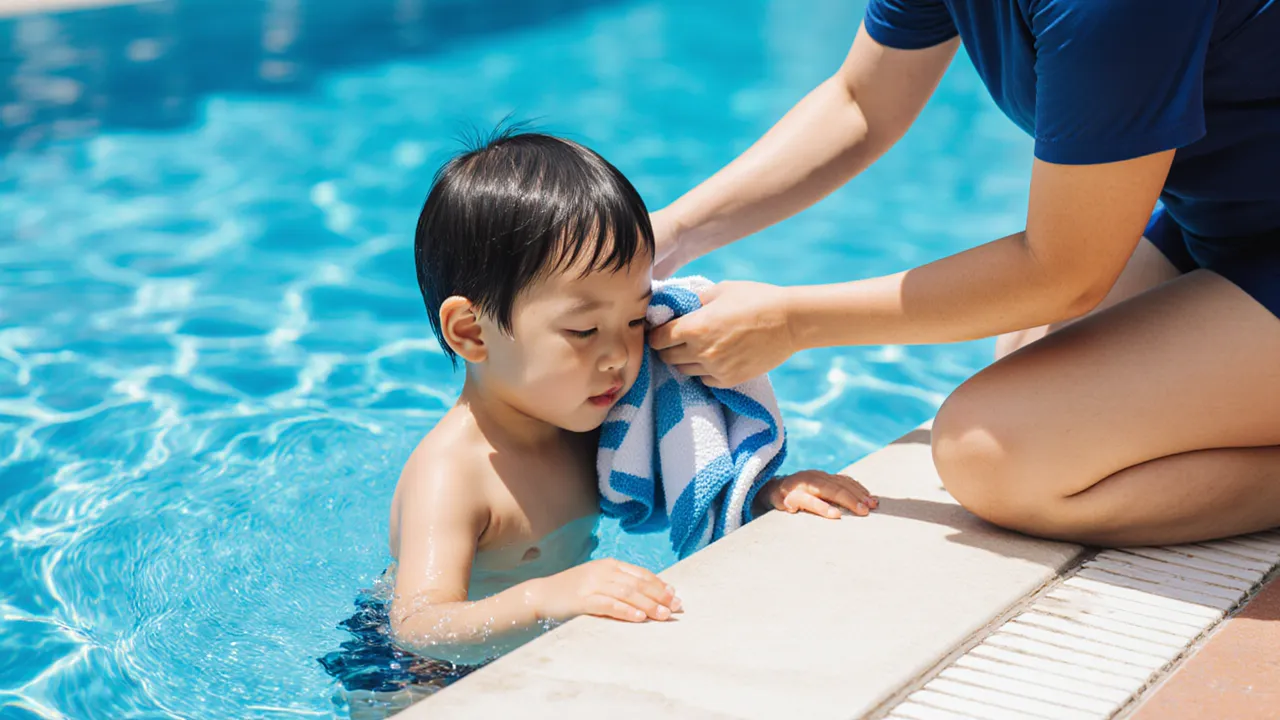
Short attention spans are normal. Some children this age also arrive nervous, and that is where teaching style matters more than technique. Ace Dolphin coaches follow a “Calm and Chill” approach: no forcing a child under the water, no rushing to the next skill, and plenty of patience. For children who are truly fearful, our guide on overcoming fear of water covers the practical steps at home.
If your child is close to three and under, or you want a family-style lesson, Ace Dolphin also offers free partner matching for babies and infants under 3.
Ages 5 to 7: technique, discipline and the confidence dividend
Around five, children can follow multi-step instructions and repeat a movement until it improves. This is where swimming becomes a genuine skill-building activity, and where the mental benefits show up most clearly.
Focus and following instructions
A swim lesson asks a child to listen to a coach, wait their turn, attempt something, get feedback and try again. That loop of instruction, effort and correction is the same one they will use in a classroom. We cannot promise swimming will lift a school report card, but parents regularly tell us their children come out of lessons calmer and more willing to keep trying at things that feel hard.
Confidence that carries over
ActiveSG Circle also points to the calming effect of water, comparing “blue spaces” to green spaces for their positive impact on mood. For anxious or shy children, mastering something physical and visible is often the first time they see proof that a scary thing can be learned. That belief tends to spill over into other parts of school and life.
Proper stroke habits from the start
This is also the age when bad habits set in. A child who “just paddles” at six can look fine, but they may be building a head-up, leg-heavy style that limits speed and stamina later. The Tatsuki method focuses on body position, breathing rhythm and streamlined kicks from the earliest stages, so technique is right before speed is even asked for.
Why motivation matters as much as technique
Young children do not stay motivated by “you’ll thank me later”. They stay motivated by seeing their own progress. Ace Dolphin is the only swim school in Singapore using proprietary swim bands and custom medals, so each milestone, from a first back float to a passed stage, is something a child can see, wear and show off at home.
It sounds like a small thing. In practice it is often the reason a five-year-old asks to go to the pool on a rainy Saturday. Progress also runs in 12-week grading cycles, so parents get a clear picture of where their child stands rather than guessing.
Group or private lessons at this age?
Both work, and the right choice depends on the child. Group classes suit children who enjoy watching and copying peers, and they usually cost less. Private coaching suits nervous children, kids who have stalled elsewhere, or families who want to fast-track towards a SwimSafer test. Our honest comparison of private versus group lessons goes through the trade-offs, and the private coaching page explains how one-to-one lessons are run.
How to tell if lessons are actually working
Every school says its children make progress. These are the signs that suggest it is real:
- Your child is calmer at the pool each week, not more tense.
- They can name or show what they learned, such as “I kicked from my hips”.
- The coach explains the next goal in plain language.
- You can see a stage or checkpoint moving forward across a term, not staying flat.
If a child has been in lessons for months with no visible change, that is a signal to ask questions, not to wait longer. Our article on signs your child is ready for the next SwimSafer stage is a useful checklist.
Making it practical in Singapore
Ace Dolphin teaches at six ActiveSG locations: Our Tampines Hub, Pasir Ris, Yio Chu Kang, Bishan, Punggol and Sengkang. Picking the pool closest to home or school matters more than most parents expect, because a lesson that is easy to reach is a lesson that gets attended. If your child misses a class, our make-up lesson system keeps the momentum going, and school holidays are a good time to add extra sessions (see our guide on swimming lessons during school holidays).
Before the first class, our guide on how to prepare your child for their first swimming lesson covers gear, timing and what to say to a nervous child.
Conclusion
Between ages 3 and 7, swimming builds a child’s safety skills, strength, coordination and confidence all at once, and the earlier a child feels at home in the water, the easier every later stage becomes. What matters most is a calm coach, a clear pathway and steady weekly practice.
With 15+ years and 8,000+ graduates, Ace Dolphin has helped everyone from fearful three-year-olds to confident seven-year-olds pass their SwimSafer stages. To talk it through, email admin@acedolphin.com, call +65 9105 5244, or explore our kids swimming lessons.