Every few months, a version of the same question appears in every Singapore parenting forum: private or group swimming lessons for my child? The replies are predictably split. Some parents swear by private coaching. Others say group classes built their child’s confidence in ways one-on-one never could. A few suggest semi-private as a middle ground, and then the thread descends into a price comparison.
Here’s the thing: both camps are right, for different children, at different stages, with different goals. This guide breaks down the actual differences, the Singapore-specific factors that matter, and the questions that will help you make the right call for your child specifically.
What You’re Actually Paying For
In a typical group class in Singapore, you’ll find anywhere from 5 to 10 children per coach. At 45 minutes per lesson, that works out to roughly 4 to 9 minutes of direct coach attention per child. Group lessons at ActiveSG facilities typically run between $120 and $180 per month for 4 sessions.
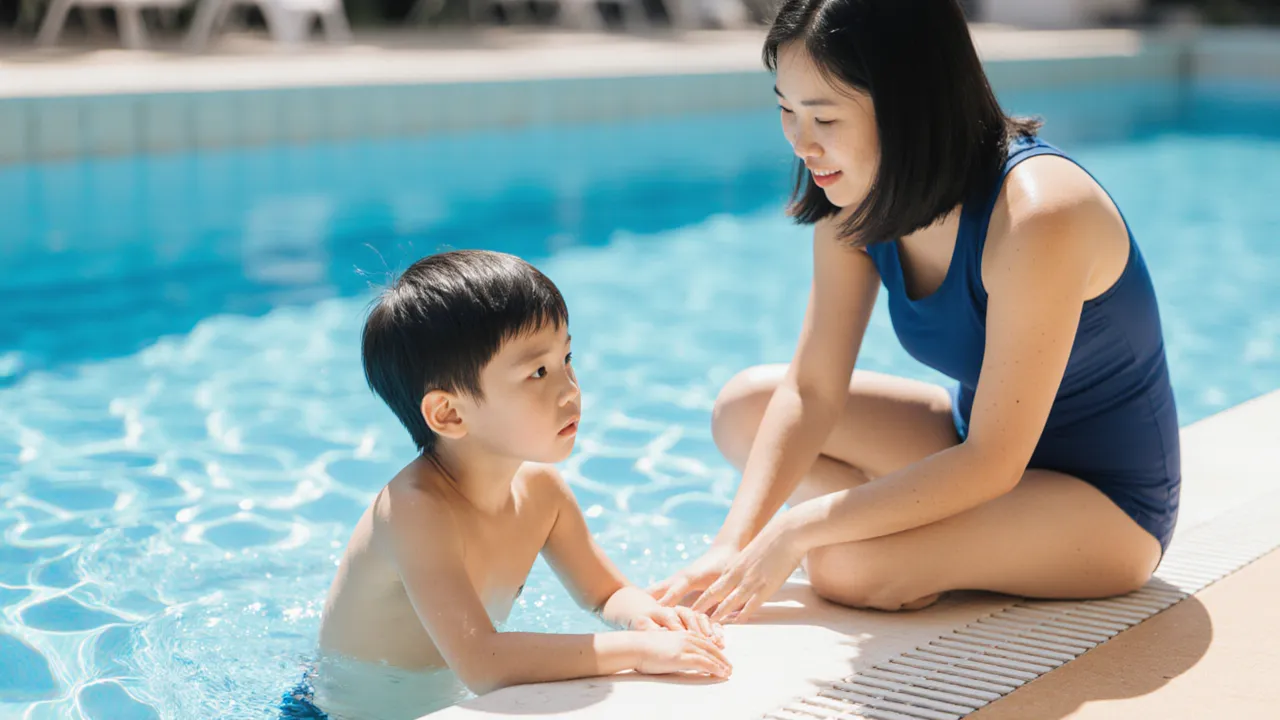
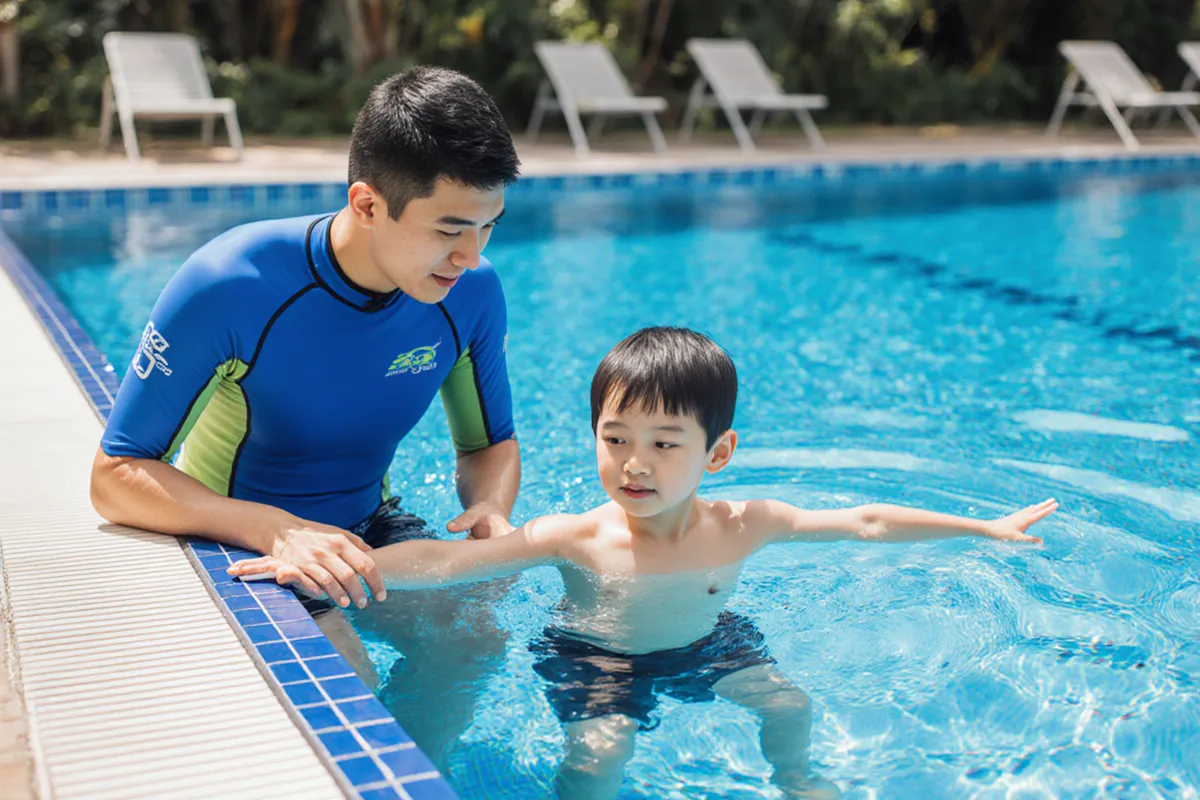
In a private lesson, your child has the coach entirely to themselves for the full 45 or 60 minutes. Private coaching in Singapore generally runs from $80 to $150 per session. Semi-private (1 coach to 2 children) and small group (1 coach to 3-4 children) options sit in between.
Neither model is inherently better. What matters is whether the format matches your child’s learning style, temperament, and current stage of development.
The Case for Group Lessons
Group lessons work beautifully for a specific kind of learner: the child who is motivated by watching their peers, energised by a social setting, and needs a gentle push from a bit of friendly competition.
Many children learn the wall-push technique better by watching a classmate do it than by listening to verbal instruction. This peer-driven motivation is one of group learning’s genuine superpowers, and it’s not replicated in private lessons.
Group lessons also offer a natural social component that matters, particularly for younger children. Swimming alongside others normalises the experience and builds a sense of belonging that makes children look forward to coming back.
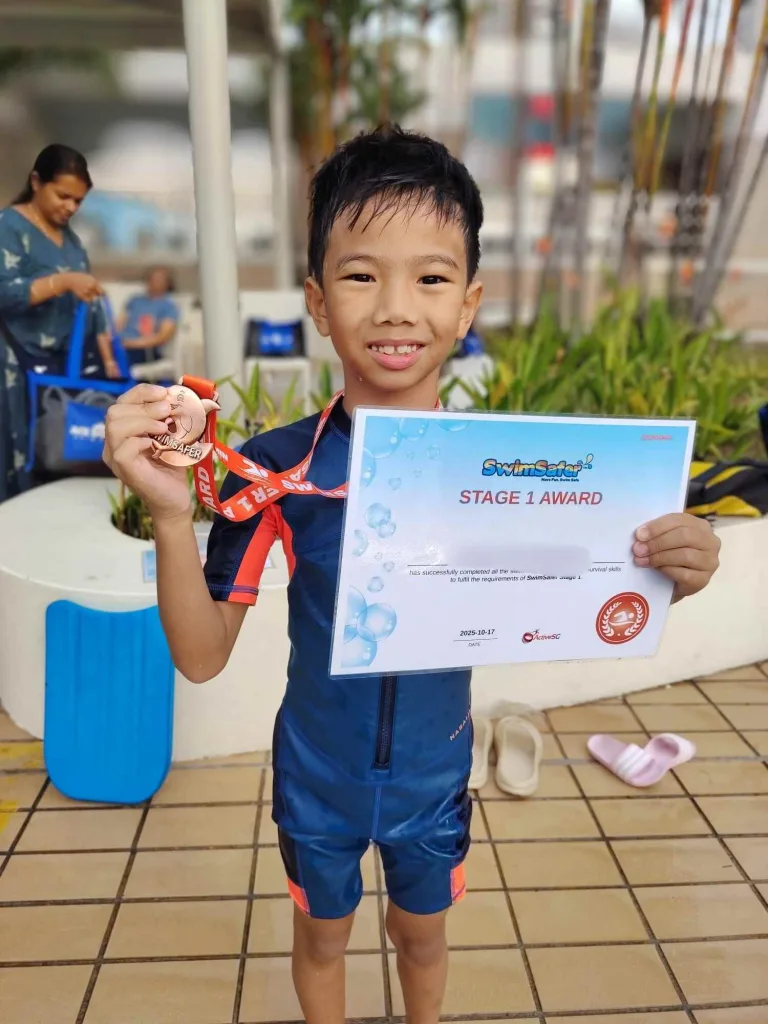
For families focused on SwimSafer 2.0 progression, group classes structured around 12-week grading cycles provide a clear framework. Children are assessed alongside peers at the same stage, which gives parents a tangible benchmark.
The Case for Private Lessons
Private coaching makes the most sense in specific situations, and it’s worth being direct about what those situations are, because the generic answer (“private lessons are better for faster progress”) undersells the cases where they’re genuinely transformative.
When Your Child Is Afraid of the Water
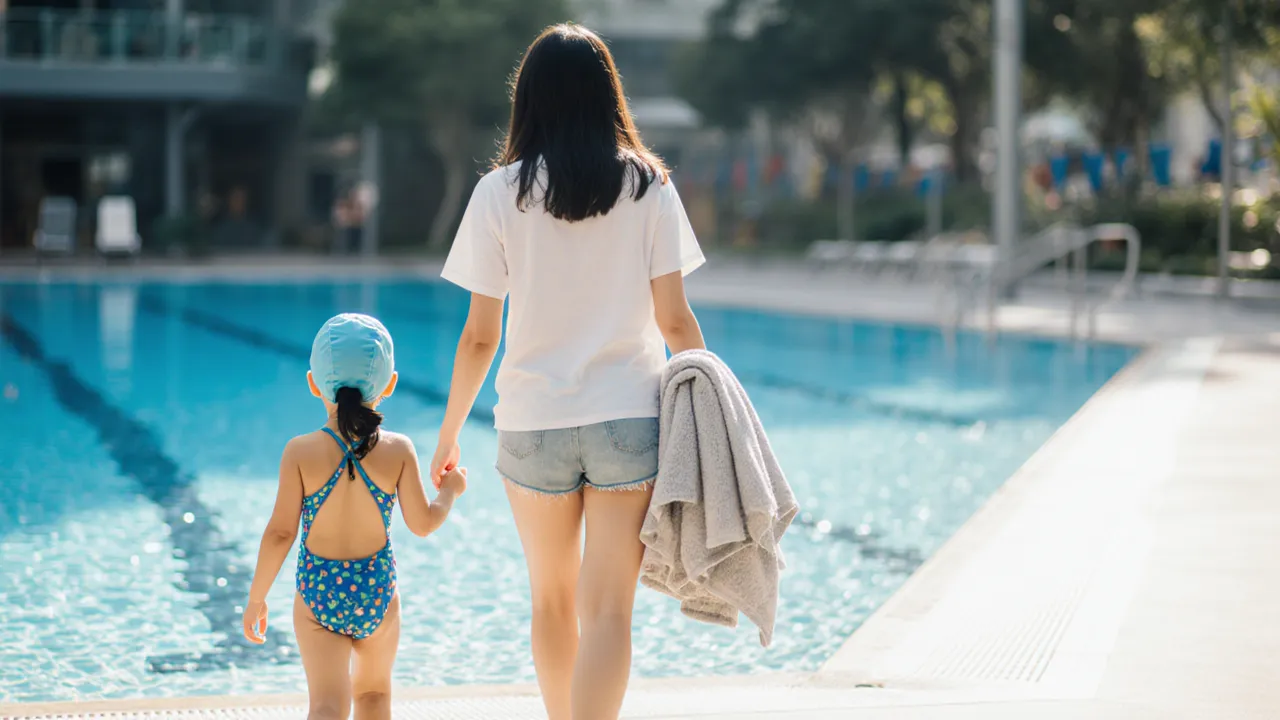
Water phobia, from mild nervousness to full refusal to enter the pool, is far more common than parents expect. In a group setting, a frightened child is essentially invisible. They’ll stand near the edge, avoid the scary drills, and smile when the coach looks their way. Progress flatlines. After several months, parents often conclude their child “just isn’t a swimmer.”
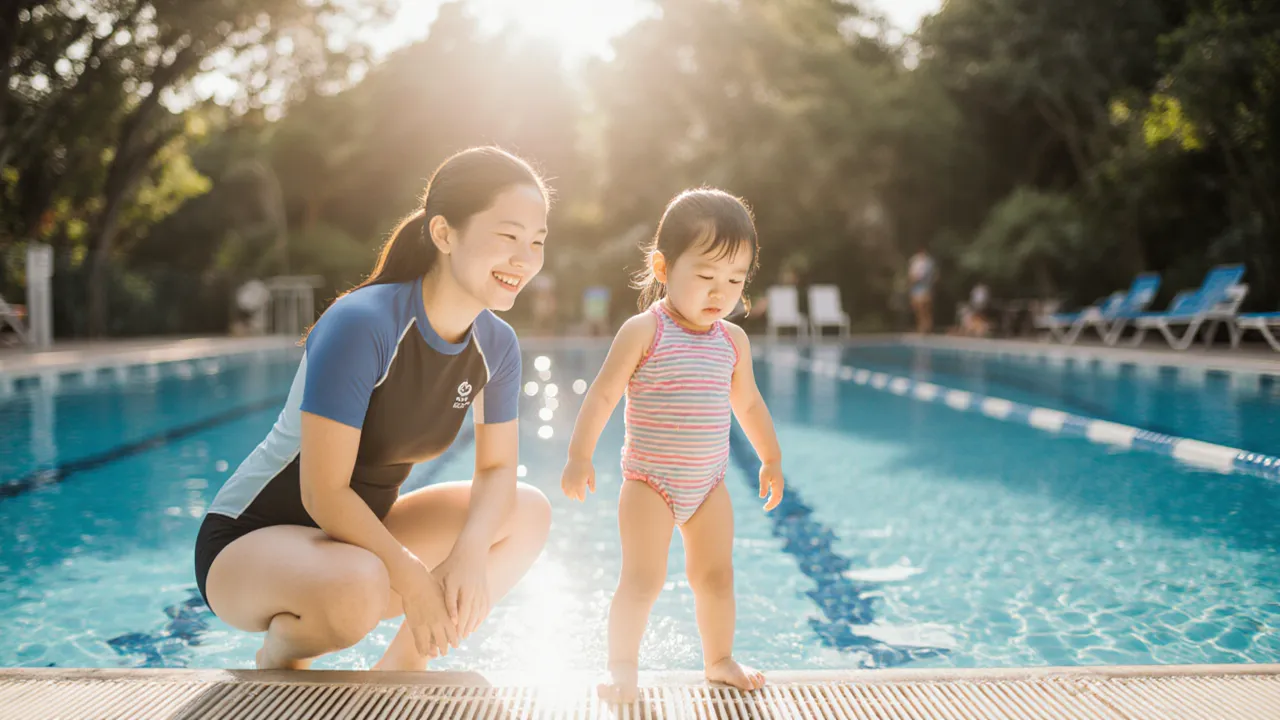
Private lessons change this entirely. The coach can spend unhurried time building trust before asking the child to do anything unfamiliar. There are no other children to fall behind. The pace is set by the child’s emotional readiness, not the group syllabus. For a water-anxious child, the return on private lessons is almost always worth the price difference.
When Your Child Is at an Outlier Stage
Group classes assume children of similar ages are at similar stages. In practice this is often not true. A child who has never had lessons may be in the same group as children who’ve been swimming for two years. Private or semi-private coaching removes this mismatch entirely.
When a Specific Technical Goal Needs Rapid Correction
Older children working to refine a stroke for SwimSafer assessments, breathing timing in freestyle, body rotation in backstroke, the breaststroke kick, benefit enormously from the sustained feedback that private coaching enables. A coach who can watch every single stroke and give immediate correction produces improvements in two weeks that a group class might achieve in two months.
The Option Most Parents Overlook: Semi-Private Lessons
If your budget does not stretch to weekly private sessions but your child needs more attention than a standard group provides, semi-private lessons (1 coach to 2 children) are worth serious consideration. Each child gets roughly 50% of the lesson with the coach, versus 10-15% in a standard group. For nervous children who are hesitant rather than distressed, semi-private often strikes the right balance.
The Singapore Context: What Changes the Calculation Here
ActiveSG pool facilities serve as the teaching environment for most reputable swim schools in Singapore. Pool quality is consistent regardless of whether you choose group or private. What varies is the coach-to-child ratio.
Year-round tropical weather means Singaporean children can develop skills consistently across the full year. There is no need to cram lessons into a seasonal window. A group class that achieves steady progress is often entirely sufficient.
SwimSafer 2.0 operates across six stages. Most children working through Stage 1 and 2 benefit from a supportive group environment. Children targeting Stage 3 and above, where stroke technique becomes the differentiator, often progress faster with private or semi-private coaching.
School term rhythms create gaps: illness, school events, CCA schedules. A swim school with flexible make-up lesson policies removes the sting from missed sessions, look for this regardless of format.
How to Decide: A Practical Framework
1. How does your child respond to new physical challenges? Cautious and gradual, private or semi-private. Thrives on social energy. Group.
2. Has your child expressed fear or reluctance about water? Yes, private lessons, at least to start. No. Group is likely fine.
3. What is the coach-to-student ratio in the group class you are considering? 6 or fewer, acceptable. 8 or more. Consider whether your child will get enough attention.
4. What is your specific goal? Building water confidence, group works. Fixing stroke mechanics quickly, private. Addressing water phobia. Private, ideally with a school that has a documented approach.
A Note on Switching
One pattern comes up frequently among parents who eventually choose private coaching: they started with group lessons, made slow or no progress for several months, then switched. The private coaching produced visible results within weeks. This usually reflects a mismatch between the child’s needs and the format, not the quality of instruction. It is worth evaluating that match at the start rather than after six months of frustration.
Conclusion
Neither private nor group lessons is universally better. Group classes are cost-effective, social, and well-suited to children already comfortable around water. Private and semi-private sessions are the right choice for children who are nervous, at an outlier stage, or chasing a specific technical goal quickly.
At Ace Dolphin, we offer both group and private kids’ swimming lessons at six ActiveSG locations across Singapore. Tampines, Pasir Ris, Yio Chu Kang, Bishan, Punggol, and Sengkang. Our “Calm and Chill” coaching approach has helped many children who were labelled “not ready” in group settings go on to swim independently within weeks. Reach us at admin@acedolphin.com, +65 9105 5244, or visit acedolphin.com.