Every Singapore parent has had this conversation at a playground or in a WhatsApp group. One mum says her daughter started lessons at six months. A dad says he waited until his son was seven and he picked it up in weeks. Somebody’s helper has been telling you since your child turned two that it’s “time already.” Everyone sounds certain, and they can’t all be right.
The honest answer to “what age should my child start swimming lessons in Singapore?” is that there isn’t one magic birthday. There are, however, clear stages, each with a different goal, and a few readiness signs that matter far more than the number on the birth certificate. This guide walks through what makes sense at each age, what to avoid, and how to tell when your child is ready for structured lessons.
Why “the earlier the better” isn’t the full story
In a country where almost every condo has a pool and the weather is warm all year, it’s tempting to think the youngest possible start is best. Early water exposure is genuinely valuable, but it’s worth being clear about what it does and doesn’t achieve.
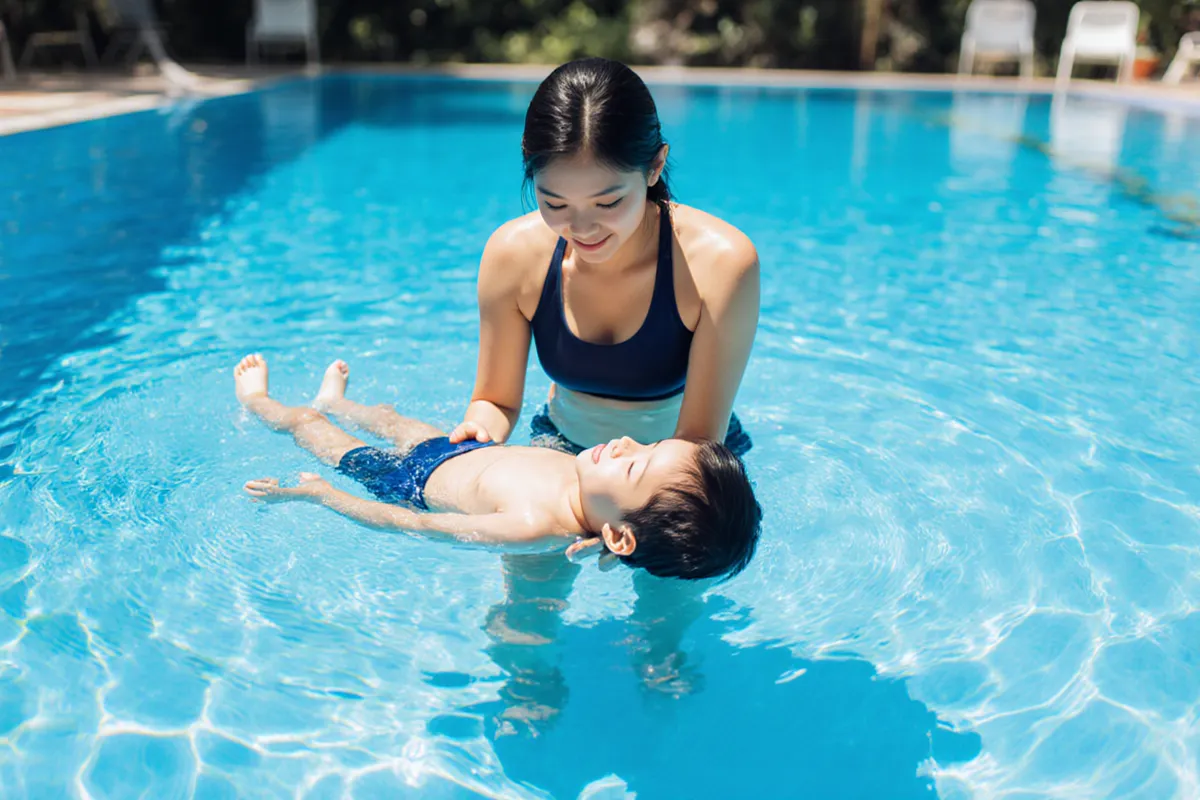
Babies can enjoy the water, and splashing with a parent is a lovely way to build comfort and bonding. But a baby in a class is not learning to swim in any meaningful sense, and early lessons do not make a child safe around water. Constant adult supervision is the only real protection at this age, whatever the class brochure suggests.
What early exposure does give you is familiarity. A child who has always found water a happy place is far less likely to cry at the pool edge later. That emotional comfort is the real prize of starting early. The physical skills, such as coordinated kicking, breathing rhythm, and floating on command, depend on motor development that simply isn’t there yet in very young children.
Babies and toddlers (under 3): play first, technique later
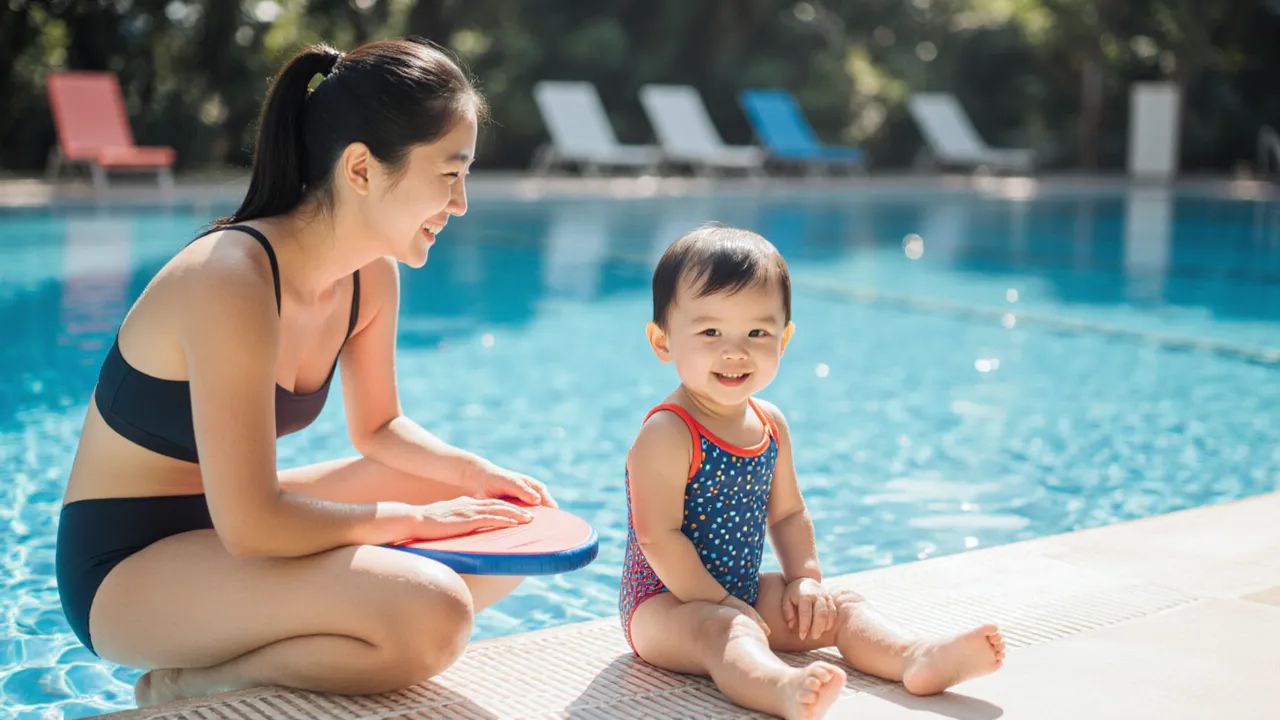
For children under three, the goal is comfort rather than technique. Parent-and-child water play, gentle splashing, blowing bubbles, and being held while the water moves around them all count. If you choose a class, look for one where a parent is in the water, sessions are short, and nobody forces a baby to submerge.
Ace Dolphin’s regular programmes focus on slightly older children, but families with little ones aren’t left stranded. The school runs a free partner-matching service for babies and infants under 3, connecting parents with trusted partners suited to that age. If you’re unsure whether your toddler is ready, you can enquire at admin@acedolphin.com and ask what fits.
One practical point for Singapore parents: even a child who loves water at two needs an adult within arm’s reach at every pool, including the condo pool. Our guide to condo pool safety for kids in Singapore covers the habits worth building from day one.
Ages 3 to 4: the sweet spot for building water confidence
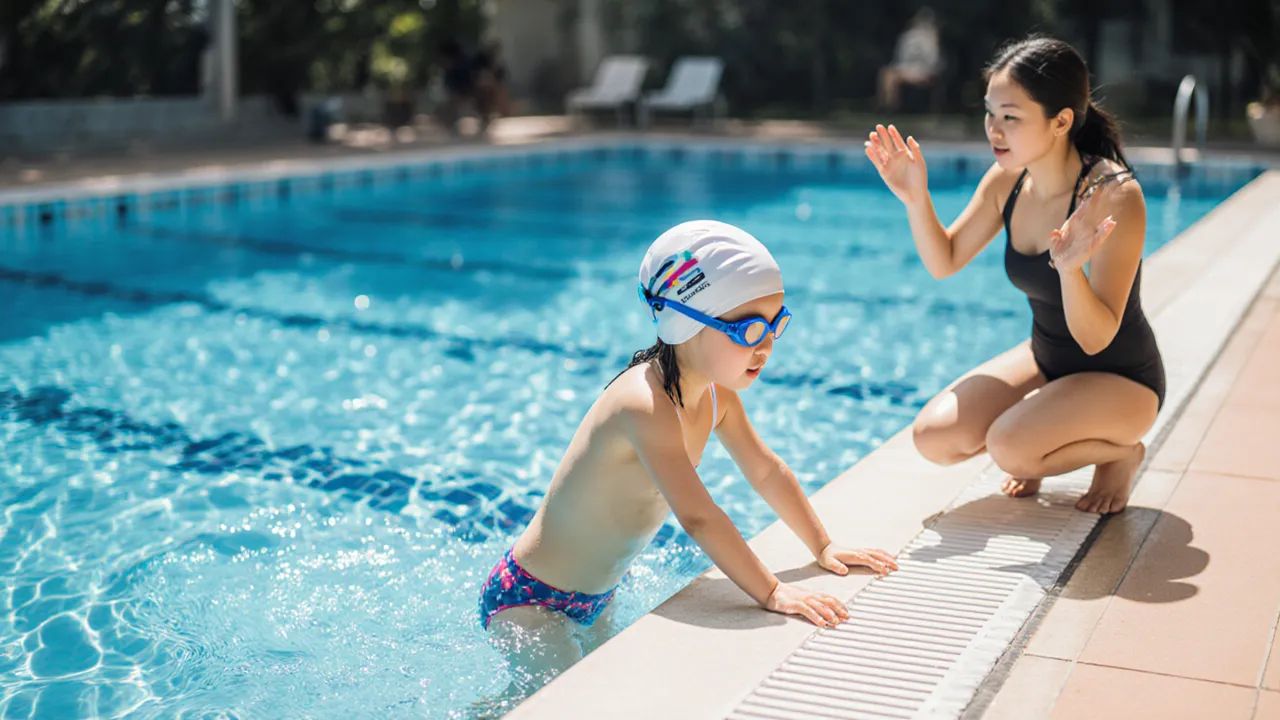
Around three to four, most children can follow simple instructions, stay with a group, and stay focused for a short lesson. This is when structured, gentle lessons start to pay off, provided the emphasis stays on confidence. Getting a face wet, blowing bubbles, kicking while holding the wall, and gliding a short distance are all excellent goals at this age.
The risk at this age is pushing too hard. A three-year-old who is made to go underwater before they’re ready can develop a fear that takes months to undo. We see this often: parents arrive after a previous school moved too fast and their child now cries at the mere sight of the pool. If that sounds familiar, our article on how to help your child overcome fear of water is a good place to start.
Ace Dolphin’s “Calm & Chill” approach exists precisely for this stage. Coaches let the child set the pace, celebrate small wins, and never force progression. Children collect proprietary swim bands and custom medals for milestones, which turns tiny steps, like putting your face in the water for the first time, into something worth being proud of.
Ages 5 to 7: when structured stroke learning clicks
Most coaches will tell you that five to seven is where progress accelerates. Coordination is better, attention spans are longer, and children can combine arms, legs, and breathing without losing the plot. A child who starts structured lessons at five often overtakes one who began at three but only played in the water.
This is also the age range most parents think of when they think about the national framework. The SwimSafer 2.0 programme runs across six stages, and children are generally ready to begin once they can follow coaching instructions and are comfortable with their face in the water. The school combines SwimSafer 2.0 with the Tatsuki Japanese methodology, delivered in 12-week grading cycles, so parents can see exactly what their child is working on and when they’re ready to move up. When the time comes, our guide on booking a SwimSafer 2.0 test explains the process.
For a closer look at what changes developmentally across these years, read our breakdown of the benefits of swimming for kids aged 3 to 7.
Is it too late? Starting at 8, 9, or 10
No. This is the question we hear most from parents who feel they’ve “missed the window.” Older beginners are often faster learners because they understand instructions, can reason about technique, and have the strength to hold a stroke. The challenge is rarely ability. It’s self-consciousness, and sometimes a lingering fear of water.
An older child in a class of much younger beginners can feel awkward, so it helps to choose a format that suits them. Private lessons let a coach fast-track the basics without an audience, and many children then move into a group. Our honest comparison of private versus group lessons will help you decide.
Some of the children we’re proudest of arrived at nine or ten after “zero progress” elsewhere. With patient coaching and clear milestones, they were floating without aids within weeks and swimming full lengths soon after.
Five readiness signs that matter more than age
If you’re sitting on the fence, look at your child rather than the calendar. These signs suggest they’re ready for structured lessons:
- They can follow simple instructions from someone who isn’t mum or dad, such as “hold the wall” or “kick your legs.”
- They’re curious about water rather than panicking at it. Hesitation is fine; sustained distress isn’t.
- They can separate from you for a short while without a meltdown.
- They can focus for 10 to 15 minutes on one activity.
- They’re comfortable with water on their face, or at least willing to try with encouragement.
Not ticking all five isn’t a reason to wait forever. It tells you where to begin. A child who isn’t comfortable with water on their face needs a confidence-first start, not a stroke class.
What if your child is scared of water?
A fearful child is not “behind.” Fear of water is common, and it often appears after a bad experience such as a dunking, a loud echoing pool, or a rushed class. The worst response is pushing through the tears and hoping they adapt. Children who are forced tend to dig in.
Ace Dolphin has built a reputation as a water phobia specialist: coaches move at the child’s speed, build trust before technique, and have helped children who refused to submerge become independent, float-free swimmers. If your child cries during lessons, this guide on what to do when your child cries at swimming lessons is worth reading before you quit or switch schools.
Parents of anxious children sometimes ask us whether they should wait a year. In most cases, the answer is no. Gentle, regular exposure with a coach who understands anxiety usually works better than waiting, because the fear doesn’t fade on its own while the child grows bigger and more self-aware.
How to choose the right class once you’ve decided
Whatever your child’s age, a few things matter more than the brand name. Ask how many children each coach handles, whether coaches are certified (Ace Dolphin coaches are NROC and Tatsuki Japan certified), and how progress is tracked so you aren’t guessing. Ask what happens when your child is sick or you travel; make-up lessons and long-term programmes with flexibility remove a lot of stress. And watch a trial lesson if you can: you’re looking for a coach who crouches to the child’s level, not one who shouts instructions from the deck.
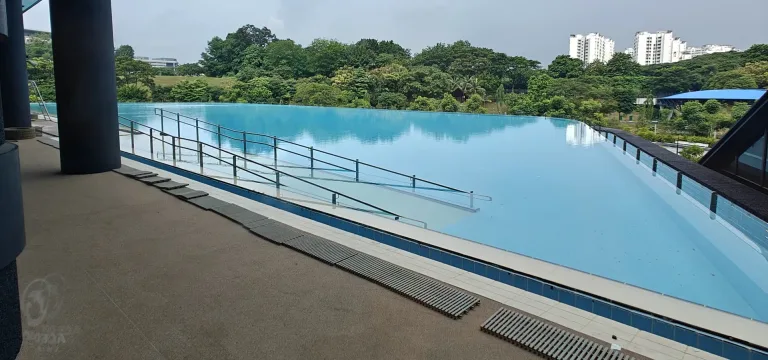
Location matters too, because a class you can’t reach reliably is a class you’ll quit. Ace Dolphin teaches at six ActiveSG pools across Singapore, including Our Tampines Hub, Bishan, and Punggol. If you’re comparing schools, our guide on how to choose a swimming school in Singapore goes into more detail, and the first lesson guide shows where to go on day one.
A simple age-by-age cheat sheet
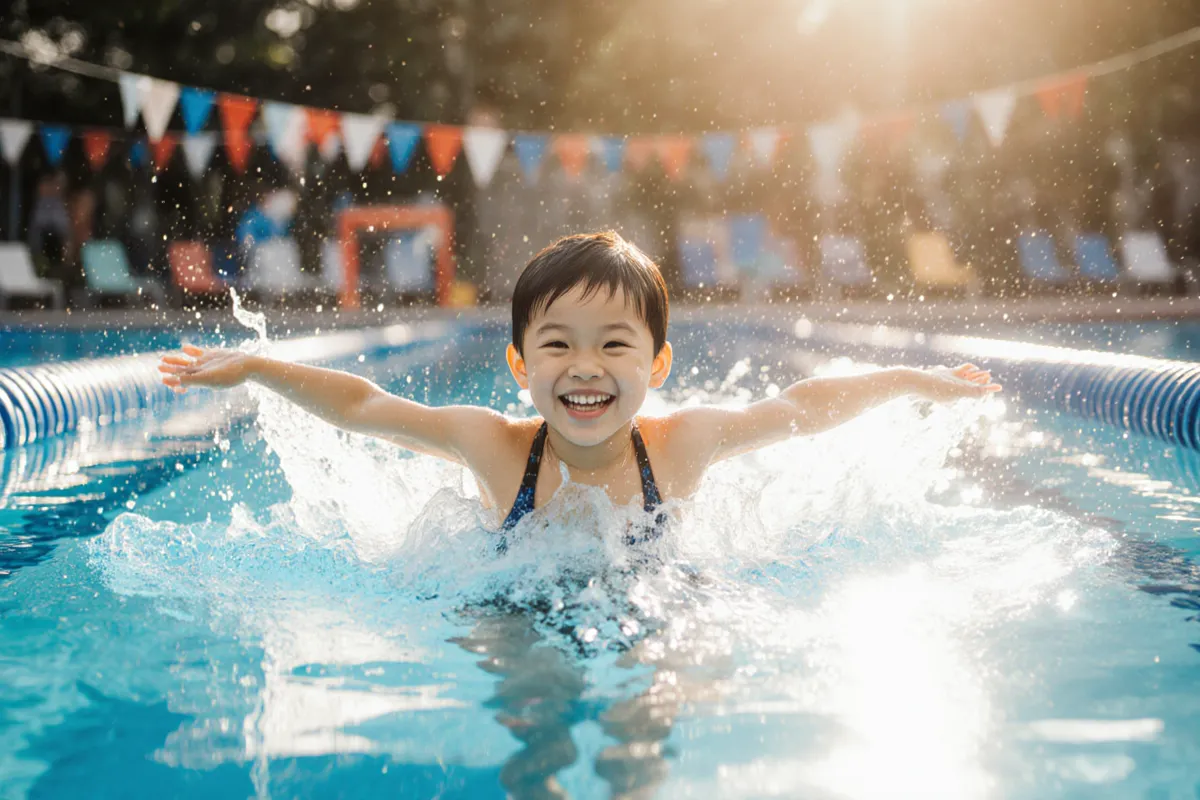
Under 3: water play with a parent, no pressure, no expectations of swimming. Ages 3 to 4: gentle, confidence-first lessons with short sessions. Ages 5 to 7: structured stroke learning and the start of the SwimSafer 2.0 journey. Ages 8 and up: it’s never too late, and private lessons can close the gap quickly. At every age, the best predictor of success isn’t how early you started. It’s whether the experience felt safe and fun.
Conclusion
There’s no deadline you’ve missed and no prize for starting first. The right moment is when your child can enjoy the water, follow a coach, and learn at a pace that doesn’t frighten them. If you start earlier, keep it playful. If you start later, don’t apologise for it. Children catch up quickly when the teaching is patient and clear.
Ace Dolphin has helped more than 8,000 children across 15+ years learn to swim, from nervous three-year-olds to older beginners starting from scratch. If you’d like advice on where your child should begin, email admin@acedolphin.com, call +65 9105 5244, or browse our kids swimming lessons.