Author name: Ace Dolphin Swim School

Private Swimming Lessons Singapore

How to Improve Your Breathing Technique During Private Swimming Lessons in Singapore

One key to swimming success is knowing the proper way to breathe–barely essential with swimming in an optimal manner, endurance, and comfort. Whether you are a first-time swimmer or a professional swimmer, your breath will greatly influence your swim. This article will also discuss different ways to enhance breathing patterns during private swimming lessons Singapore and how Private Swimming Lessons Singapore can assist in improving your learning. Understanding the Importance of Breathing in Swimming Breathing is one of the most essential factors involved in swimming activity. Lack of breathing may lead to some problems such as early fatigue, inability to maintain pace, or even panic while swimming. Appropriate breathing means that the respiratory system supplies adequate oxygen to the boy so that you are not easily out of breath while swimming. Regardless of the purpose of Private Swimming Lessons Singapore  – sports or for pleasure, proper breathing increases the effectiveness of swimming and allows for proper relaxation in the water. Learning to swim is easy with our private tutors who offer swimming lessons in Singapore as shown below: Common Breathing Challenges in Swimming Major setbacks that most swimmers experience include breathing, more so those who are new to Private Swimming Lessons Singapore. Some common issues include: Breath Too Long – Most novice swimmers are inclined to hold their breaths when swimming and after some time they get exhausted. This can also lead to anxiety and corresponding difficulty in acquiring techniques. Off Coordination – On many occasions, swimmers get it wrong for breath coordination. They may expel the air at an improper time or timing, which affects the flow of their stroke. Mouth Breathing – It is normal to breathe through your mouth but is sometimes a challenge when you are out of practice. Some of the reasons that make the breath shallow include breathing through the nose or not exhaling enough. Breathing Unevenly – It presents some swimmers with bilateral breathing problems where they only use one side of their face. It can poorly impact balance and stroke effectiveness. Tips for Mastering Proper Breathing Technique Here are some tips that can help you improve your breathing while swimming: Practice Exhaling Underwater Breathing is controlled when you learn how to exhale with water so that you can have more space to inhale. This assists in avoiding a situation where one is out of breath specifically when it is time for the breath in. To practice Private Swimming Lessons Singapore, pinch your nose with your hand put your face in the water press the nose, and blow. You may well be a little uncomfortable at the beginning, but after a while, you settle in. As you progress you will develop a typical pattern of exhaling before you proceed to inhale. Focus on Timing Breathing is also very sensitive regarding time measurement. When swimming, it is recommended that you breathe as you turn your head to the side by inhaling enormously. However, there is no need to hurry this movement and the exhalation must be carried out fully and steadily. As for breathing, it is better to attempt to breathe out as long and as steadily as possible with the face submerged in water. Timing makes sure that one is not holding his/her breath for too long or gulping for air when needed. Use a Proper Breathing Technique for Each Stroke Each stroke is characterized by the way swimmers breathe while swimming hence the need to understand the swimming strokes. For example, when swimming in a freestyle position, you must move the head to one side to breathe; in breaststroke, you should raise the head above the water level to breathe. It is important to always remember to do the breathing exercise that will correspond to the stroke that you are focusing on. Incorporate Side Breathing Side breathing which is most commonly used by freestyle swimmers enables you to balance your stroke and learn how to breathe properly. Instead of raising the head from the water to breathe, turn the head sideways as the arm scoops up. This lets you intake air without messing up your posture. Stay Relaxed Something common on the part of swimmers is that they experience tension in the process of breathing; thus, breaths are rather shallow, and the fatigue sets in. Instead, try to stay relaxed. Breathe well and avoid becoming anxious while swimming because the water can calm you down. If your mind is disturbed, you will find it difficult to have the right kind of breath in your body. Final Thoughts Breathing is a fundamental aspect of swimming that can make a significant impact on your performance and overall experience in the water. By practicing proper breathing techniques, staying relaxed, and focusing on timing, you will improve your swimming efficiency and stamina. Taking Private Swimming Lessons Singapore at a reputable school, like ACE DOLPHIN SWIM SCHOOL, can accelerate your progress, providing expert guidance and personalized coaching to help you master breathing techniques. With consistent practice and the right support, you’ll be able to breathe easily, swim efficiently, and enjoy your time in the pool. FAQs Q: How many private lessons are needed to improve my breathing technique?  A: The number of lessons varies by individual, but you can expect noticeable improvements after a few lessons with consistent practice. Q: Is private swimming coaching suitable for beginners?  A: Yes, private coaching is ideal for beginners as it provides personalized guidance and helps build foundational swimming skills. Q: Can I improve my breathing without taking private lessons?  A: While self-practice can help, private lessons offer more targeted advice and feedback, which speeds up the learning process.

How to Improve Your Breathing Technique During Private Swimming Lessons in Singapore Read More »

Yio Chu Kang Swimming Complex

7 Beginner-Friendly Swimming Tips at Yio Chu Kang Swimming Complex

The idea of swimming is among the best exercises that can be taken by any group of people in society. Regardless of the reason to start it, whether it is to gain fitness motives, enhance your performance, or if it is for recreation, it can at times be rather daunting to get started. Fortunately, there are many places to swim, especially for beginners and one of them is Yio Chu Kang Swimming Complex. Below are seven swimming tips that would be useful if you are starting your swimming journey in this water area. 1. Choose the Right Swimwear and Gear The swimming dress code: before you dive into the water at the Swimming Complex, make sure you’re dressed for the occasion. For effective swimming, there is a need to wear a well-fitting swimsuit, a swim cap for women, and comfortable goggles. Although sometimes it may seem that it is just for fun, the right gear is not only comforting and inspiring, but it also makes you perform better in the water. 2. Start with Basic Breathing Techniques Breathing is an essential part when learning to swim. Some of the most common issues reported by new practitioners include problems with breath-holding or synchronizing breaths. You could also practice taking deep breaths and blowing out your breaths when underwater. In every swimming complex that has sections of shallow water, this technique can be done and then gradually moved to deeper waters when the swimmer is ready for it. 3. Learn One Stroke at a Time With swimming, one can be overwhelmed when attempting to learn various strokes at the same time. Begin with the basic stroke, for instance, the freestyle or the breaststroke Emphasize the consistency concerning one draw before going to another. The advantages are that the instructors at Swimming Complex can help you to break down the strokes and make progress systematically. 4. Use Poolside Assistance for Support The swimming pools at Yio Chu Kang Swimming Complex are simplistic in their mounting. When you are not very comfortable in the water, use the edge of the pool or rails to balance on. It is also possible to perform kicking exercises or float while hanging on the poolside-rail. These small steps do assist you in gaining water confidence incrementally. 5. Stay Relaxed and Maintain a Positive Mindset One basic swimming habit that many learners develop is the trepidation of water. One should not put too much pressure on oneself to achieve them at the first attempt; the key thing should be to learn. Yio Chu Kang Swimming Complex brings the spirit of tranquillity hence reducing tension, thus making your swimming requisite a pleasant one. 6. Practice Floating and Balancing Floating is a basic stroke of swimming that is essential to all swimmers. Lay flat on the back and start with floating, this suits beginners, and one is supported by the water. This skill assists in enhancing the patient’s stability in water in the course of treatment. Swimming trainers available at Swimming Complex can assist swimmers, especially beginners in exhibiting the correct float posture. 7. Enroll in Swimming Classes For someone who wants to swim, deciding to join a class is one of the best things you can do. Swimming lessons remain preferred particularly among professional trainers since they impart instructions systematically. Classes for the proper and basic swimming could be done where classes are designed in a way that is safe for learners. Benefits of Swimming at Yio Chu Kang Swimming Complex Beginner-Friendly Facilities: Boasting pool depths, beginners may also swim in their comfort. Professional Guidance: Professional sellers are always willing to recommend and even assist a novice in getting started. Family-Friendly Atmosphere: This makes it quite suitable for people of all ages hence becoming convenient, especially for families. Affordable Access: Do not pay a lot of money to be able to use good facilities. Why Yio Chu Kang Swimming Complex Stands Out Most recreation places are known to have dirty or poorly maintained pools but this place has well-maintained and clean pools ideal for use. In this regard, there are essential differences between small and large sports facilities such as; Large swimming pools allow one ample practice of activities and hence develop his or her swimming skills. Regardless of whether you are an apprentice or an amateur who wants to sharpen your skills, this is for you. Final Thoughts Swimming is a rewarding activity that improves both physical and mental well-being. By following these beginner-friendly tips, you’ll feel confident and ready to make the most of your sessions at Yio Chu Kang Swimming Complex. For those looking for professional guidance, ACE DOLPHIN SWIM SCHOOL is a top choice. With expert instructors and tailored programs, they provide the perfect support for beginners and experienced swimmers alike. Make swimming an enjoyable and enriching experience with our help! FAQs Do I need to be a strong swimmer to start lessons at  Swimming Complex? No, beginners are welcome, and you can start at your own pace with shallow pools and professional instructors. Are there swimming classes available for children at Yio Chu Kang Swimming Complex? Yes, the complex offers swimming classes for children, focusing on building water confidence and swimming skills.  How can I book a swimming lesson at the Yio Chu Kang Swimming Complex? You can book lessons directly at the complex or through their official website for available schedules and fees.

7 Beginner-Friendly Swimming Tips at Yio Chu Kang Swimming Complex Read More »

Swimming

When is Swimming in Punggol Swim School Cardio And When Not?

Jumping into a pool might make you feel like an athlete, but is swimming always a cardiovascular workout? The answer lies in how you approach it. At Punggol Swim School, swimming can be a heart-pumping cardio workout, or simply a leisurely activity, depending on your technique, intensity, and goals. Swimming is often celebrated as a full-body exercise, combining strength and endurance. However, whether it qualifies as cardio depends on your approach; let’s dive into what makes swimming a cardiovascular workout and when it might serve other purposes, like relaxation or skill-building. When Swimming at Punggol Swim School is Cardio If the swim is to work the heart and lungs, there needs to be an aerobic approach. Here is how to qualify your swim as a Punggol Swim School cardio session: Continuous Swimming: Swimming laps without extended breaks keeps the heart rate elevated, so this is a steady and effective cardio workout. Consistency is the key. Whether it is freestyle, breaststroke, or backstroke, swimming back and forth across the pool keeps up with a rhythm that keeps the cardiovascular system working. High-Intensity Swimming: The pace and intensity of your swim significantly impact its cardio benefits. Swimming using strokes like butterfly or freestyle challenges your heart and lungs at a vigorous pace. This approach boosts cardiovascular endurance, strengthens your respiratory system, and burns calories. Extended Duration: Swimming continuously for 30 minutes or more will improve your heart and lung capacity. The longer you swim, the greater your endurance and cardiovascular fitness will be. As you train over time, your body becomes better at using oxygen, an indicator of aerobic fitness. Interval Training: Interval training is when you alternate between high-intensity swimming and short rest periods. For instance, swim one lap at maximum effort, rest for 30 seconds, and do it again. This method is a great way to boost cardiovascular fitness, enhance metabolism, and burn fat. You can achieve your fitness goals more effectively by incorporating interval training into your swimming sessions at Punggol Swim School. When Swimming is Not Primarily Cardio While swimming is versatile and beneficial, only some sessions qualify as cardio. Swimming may focus on relaxation, skill-building, or therapy rather than providing a sustained cardiovascular challenge. Leisurely Swimming: Swimming at a slow, casual pace or floating around the pool might be relaxing but won’t raise your heart rate much. Leisurely swimming might improve muscle tone and mental well-being but lacks the intensity required to be a cardio exercise. Short Duration: Short sessions with low-intensity swimming do not maintain the heart rate high enough for cardio. Such sessions are ideal for warm-ups or mastering a particular skill but fail to provide cardiovascular fitness. Skill Development: Focusing on improving strokes, turns, or other technical aspects often involves frequent stops. While this enhances swimming efficiency, it does not engage your heart and lungs for an extended period, which is necessary for cardio. Water Therapy: Water therapy, an activity specifically for rehabilitation and improving mobility, is a low-impact exercise. These exercises are great for the joints and recovery of muscles but are done at lower intensities and are not as effective as cardio exercises. Discover Swimming Classes The soon-to-open Punggol Swim School is ready to revolutionize aquatic education in Singapore. With modern facilities and a comprehensive range of programs, the complex caters to swimmers of all levels, from beginners to advanced athletes. At Punggol Swim School, the emphasis is on a all-round approach to swimming. Lessons combine skill-building with fitness, making sure participants enjoy the full spectrum of benefits swimming offers. The experienced instructors use advanced training methodologies, making each session engaging and effective. Whether you want to improve your swimming techniques, build cardiovascular endurance, or enjoy the water, Punggol Swim School has something for everyone. Maximizing Swimming as a Cardio Workout If your goal is to turn swimming into a cardio powerhouse, consider these tips: Set Clear Goals: Plan your sessions with at least 30 minutes of continuous swimming. Increase Intensity: Challenge yourself with faster strokes and minimize rest periods. Incorporate Intervals: Alternate between high-intensity swimming and short rests for maximum efficiency. Track Progress: Use a waterproof fitness tracker to monitor your heart rate and make sure you meet your cardio targets. Diversify Workouts: Mix your routine with different strokes and swimming drills to engage various muscle groups and maintain cardiovascular engagement. Ace Dolphin Swim School provides the perfect solution for individuals seeking a mix of fitness, mastery of skills, and enjoyment. With professional instructors and an emphasis on personalized progress, the school provides the attention and guidance to make sure each swimmer succeeds. Competitive training or recreational swimming is always achievable in a supportive environment. With the right approach, Punggol Swim School provides vast opportunities for cardio fitness while swimming. With the appropriate swimming program for your goals, dive into a healthier and more active lifestyle. Be it fitness or fun, the water beckons you!

When is Swimming in Punggol Swim School Cardio And When Not? Read More »

Swimming Coach

Debunking the Swimming Myths: Insights From a Swimming Coach

Swimming is a universally loved activity, admired for its numerous physical and mental health benefits. However, misconceptions about its effects on the body continue to persist. One of the most common myths? That swimming can make you taller. A professional swimming coach frequently encounters this question from curious learners and parents alike. Let’s dive deep into this belief and unravel the truth behind it. Does Swimming Make You Taller? No. Swimming, though miraculous in transforming one’s body to ideal physical fitness, mental well-being, and improved posture, does not contribute to increasing height. The myth comes from the towering figures of professional swimmers like Michael Phelps and Matt Grevers. Their genetics made them tall enough, not their swimming coach routines. Let’s discuss why swimming might produce an illusion of added height. The Myth of Hydrostatic Pressure and Buoyancy In the water, your body feels lighter due to buoyancy. It lightens the burden of gravity by decompressing the joints and the spine. You may feel taller even a few minutes after getting out of the water with this decompression. Hydrostatic pressure, even force exerted by water on the body, helps reduce joint pressure, which feels elongating. However, these effects are only temporary. Once you are back on land, your body goes back to its natural state under the gravitational force. Improved Posture Creates an Illusion Swimming improves posture. The sport engages and strengthens core muscles, shoulders, and the back to coordinate and assist in aligning the spine into a straighter position. Therefore, people who swim regularly often seem taller due to their improved posture. Though the alignment improves the look of your body and health, it will not increase your genetically drawn height. Spinal Decompression: A Temporary Effect The temporary spine elongation experienced during swimming according to a swimming coach is akin to the slight increase in height noticed in the morning after sleep. The spine decompresses when the body is horizontal, whether lying in bed or floating in water. Yet, as the day progresses, gravity compresses the spine again. This fluctuation, although noticeable, does not equate to permanent growth. The Reality About Growing Tall Let’s break it completely by understanding what determines your height: Genetics: Your genetics dictate your height, and largely, it’s 80 percent dependent on family traits. The likelihood of being tall increases if your parents or ancestors possess this trait. Growth Plates and Hormones: Growth plates in the bones stimulate height increase during adolescence. After these plates close following puberty, no activity, including swimming, can add to your height. This growth period is regulated by hormones, such as human growth hormone (HGH) and sex hormones. Nutrition and Health: A diet must be adequate in calcium, protein, and vitamins. Nutrients are integral for growth years. Inadequate nutrition can retard potential growth, so it is necessary to eat well if one wishes to achieve maximum height. Physical Activity: Though swimming does not add to the increase in height, physical activities, such as running, jumping, and resistance training, contribute to the development of an individual and bone density. Why Are Swimmers Often Tall? Height offers some advantages in swimming, particularly for competitive athletes. Longer limbs mean greater reach, while larger feet and hands provide better propulsion in water. With years of disciplined practice, these physical traits give tall swimmers an edge. However, as per any swimming coach height alone does not determine success in swimming. Technique, strength, and determination are equally essential. At Ace Dolphin Swim School, each swimming coach celebrates the diversity of swimmers, focusing on their strengths to help them excel. Tips for Tall Swimmers by Swimming Coach Height is no hindrance to success in swimming. Here are some excellent tips to make sure tall swimmers get the best out of themselves with a swimming coach: Focus on Technique: Precision is more important than physical features. Mastering strokes, streamlining, and breathing efficiency help make all the difference. Strength Training: Core and upper body strength, to a great extent, affect performance. Add in weight training and resistance exercises to enhance power and endurance. Flexibility Exercises: Regular stretching yields a better range of motion, making strokes effective and reducing the risk of injury. Mental Toughness: Confidence and resilience are important in competitive swimming. You could overcome limitations and succeed in pools with a strong mindset. Why Swimming is Still Worthwhile While swimming may not increase your height, its benefits go far beyond physical appearance. It enhances cardiovascular health, builds muscle strength, reduces stress, and improves flexibility. And it is a low-impact exercise suitable for all age groups. At Ace Dolphin Swim School, we believe swimming is more than just a sport. it is a life skill. Our programs focus on improving technique, boosting confidence, and promoting overall health, tailored to swimmers of all ages and skill levels. So, the next time you hit the pool, enjoy the freedom and fitness it brings. And remember, your potential as a swimmer is not measured in inches but in determination and skill. Ready to embrace the benefits of swimming with a swimming coach?

Debunking the Swimming Myths: Insights From a Swimming Coach Read More »

Swim School Singapore

How to Master Doggy Paddle Swimming in a Swim School Singapore?

This technique, inspired by the natural motion in dogs as they swim, is a neat and simple technique that has fascinated swimmers for generations. It’s not just fun; it’s a basic swimming technique that opens the gates to more complex strokes. Be it a beginner at swim school Singapore or someone polishing their skills, mastering this doggy paddle technique is the best place to start from. With the guidance of a swim school Singapore, this technique can become second nature, helping you build your confidence and enjoy your time in the water. Now let us take a look at four essential steps to mastering the doggy paddle and so many benefits that follow. Let’s dive into it! Step 1: Become Comfortable in the Water It would help if you enjoyed being in the water, as this is the gateway to learning techniques. Comfort comes from confidence, which readies you for the actions involved in doggy paddling. Begin in Shallow Water: The journey starts in the shallow end of a pool at a swim school Singapore, which is easily where you can stand. You now get a chance to become acquainted with water without fear. Splash around, walk in the pool, or sit on the steps to ease into the aquatic environment. A trusted swim school Singapore often incorporates fun activities to help learners relax and enjoy being in the water. These exercises are important for beginners to overcome any initial fear and set a positive tone for learning. Practice Floating: After you get used to it, practice floating on your stomach. Stretch out your arms while your legs are hanging backwards from you. This position teaches buoyancy and balance, two important things with swimming. Floating also helps you become familiar with the sensation of water supporting your body, which is essential for techniques like the doggy paddle. Step 2: Master the Arm Movements The arm strokes are a very distinctive characteristic of the doggy paddle. These movements keep you afloat and propel you through the water. Step-By-Step Arm Technique: Extend your arms in front of you with palms downwards. Then, mimic the paddling motion of a dog by pulling your arms back in a circular motion. This scooping action must feel rhythmic and natural. Make sure your hands remain submerged when removing them toward your body, as this will maximize propulsion. Swimming instructors at the best swim school Singapore, such as Ace Dolphin Swim School, usually remind you that with these, you can engage the arm, core, and other involved muscles. Common Errors to Avoid: Users splash too much or overreach, thus creating inefficient strokes. Your moves should be controlled and balanced. Also, do not cross your arms over the centerline of your body, for this may cause imbalance and hinder you. Step 3: Master the Leg Kick Leg movements are very essential in keeping balance and propulsion for doggy paddling. A steady, well-coordinated kick complements your arm strokes. Flutter kick technique: The doggy paddle is done with a soft flutter kick. Keep your legs extended, relaxing while moving them up and down as fast as possible. Imagine it as a light, fluid motion rather than jerky. Be careful not to bend your knees too much, and point your toes to stay streamlined. A flutter kick should be effortless and rhythmic, helping you move forward while keeping your lower body afloat. Leg Drills for Leg Endurance: Leg drills are a great way to improve kicking efficiency. Perform a flutter kick with a kickboard or hold onto the pool’s edge, which isolates your legs and focuses on their movement, building the muscles you need. Doggy paddle-specific drills are also helpful in improving your technique, as they are fun and efficient. These exercises add some enjoyment to your workout. Step 4: Breathing Technique Key Proper breathing is the key to swimming comfortably and efficiently. Even with a relatively basic style like the doggy paddle, great breathing techniques can make a difference. Breathing Tips: When paddling, you should keep your head above the water by angling your body slightly forward. This way, you get enough air without lifting your head to an uncomfortable height that may stiffen your neck and affect your balance. You should also practice exhaling underwater while inhaling from the side when you turn your head for balance. This will help you breathe rhythmically and keep you steady. Practice Drills: Shallow water can be a good area for practicing breathing drills. You may also add arm and leg movements to simulate actual swimming conditions. You may also turn it into an exciting game by timing your breaths and challenging a friend to a fun relay. Advantages of Embracing the Doggy Paddle at Swim School Singapore Full-Body Workout: The doggy paddle engages arms, legs, and core muscles for an excellent full-body workout. It’s great for building up endurance and strength. Confidence in the Water: With proficiency in this swimming style, a swimmer becomes more confident. The doggy paddle is intuitive and perfect for beginners. Once you master it, you will feel much more comfortable exploring other swimming techniques. Foundation for Advanced Strokes: Being the first swimming stroke many people learned, the doggy paddle is a gateway to more advanced styles like freestyle. It lays a foundation for understanding coordination, balance, and rhythm in swimming. Learning with expert instructors at a swim school Singapore, like Ace Dolphin Swim School, makes sure you get the correct guidance and motivation to progress. With expert instruction from a trusted swim school Singapore, your journey to mastering the doggy paddle will be an easy, delightful, and rewarding affair.

How to Master Doggy Paddle Swimming in a Swim School Singapore? Read More »

swimming classes Singapore

Swim Hacks: Simple Tricks To Make Swimming More Fun And Efficient

Swimming is one of the best full-body workouts, engaging almost every muscle group and boosting cardiovascular health. However, swimmers, whether beginners or seasoned athletes. Often encounter issues that can make the experience less enjoyable. Fortunately, there are simple hacks to tackle common swim challenges, helping you make the most of your pool time. In this blog, we’ll explore practical tips to enhance your swimming experience and efficiency. If you’re looking for personalized guidance, classes and Swimming Coach Singapore at Ace Dolphin Swim School can provide specialized support to help you master these techniques. Maintain Consistent Energy Levels Swimming uses a lot of energy, so if you find yourself tiring too quickly, these strategies can help maintain stamina and keep you feeling energized: Breath Control: Proper breathing technique is essential for conserving energy. Breathe in through your mouth and exhale through your nose in a steady rhythm. Many beginners make the mistake of holding their breath, which creates tension and depletes energy. Working with a Swimming Coach Singapore can help you refine this technique to build endurance. Focus on Pacing: It’s tempting to go all out when you start a lap, but pacing is important. Start at a moderate speed and gradually increase your pace. This will prevent burnout and allow you to complete longer distances. Stay Hydrated and Snack Wisely: Though you’re in the water, you’re still sweating and losing fluids. Hydrate before and after your swim, and consider a light snack 30 minutes before starting, like a banana or a handful of nuts, for sustained energy. Make Swimming Easier for Beginners If you’re new to swimming, certain hacks can help you overcome initial challenges and ease into the sport with confidence. Use Fins or Kickboards: Adding fins or using a kickboard allows beginners to focus on one element of the stroke at a time. Fins help build leg strength and allow you to work on your kick technique without struggling to stay afloat, while kickboards help isolate the arms and improve your stroke. Focus on Body Positioning: A common struggle for beginners is maintaining a horizontal position. To practice, start by floating on your back, keeping your hips up and head relaxed. A flat, streamlined position helps reduce drag and makes swimming feel more natural. Break Down the Stroke: Swimming can be overwhelming with its many elements (kick, stroke, breath). Break it down into segments and practice each part individually. If you’re unsure of where to start, Swimming Classes Singapore provide targeted lessons designed for beginners to build confidence and skill. Prevent Chlorine Damage to Skin and Hair Regular swimmers know that chlorine can be harsh on skin and hair. Here’s how to minimize its effects during your Swimming Classes Singapore: Rinse Before Swimming: Wet your skin and hair in the shower before entering the pool. This pre-soaking reduces the amount of chlorine absorbed. Use Leave-In Conditioner: Apply a light layer of leave-in conditioner or a swim cap to your hair to create a barrier against chlorine. For additional protection, consider using swim-specific products designed to protect hair from chlorine damage before your Swimming Classes Singapore. Shower Immediately After: Rinse off as soon as you’re out of the pool to wash away chlorine. For extra protection, apply a moisturizer to prevent skin from drying out. Improve Technique for Efficiency Efficient swimming technique can make a world of difference. Small adjustments can lead to major improvements in speed and endurance. Focus on a High Elbow Position: For a powerful freestyle stroke, keep your elbows high and engage your back and shoulder muscles as you pull. This technique not only improves speed but also reduces strain on your shoulders. Streamlined Kicking: For a more efficient kick, keep your legs close together and kick from the hips rather than the knees. A strong core will help with this, and it’s something that a Swimming Coach Singapore can guide you on. Practice Bilateral Breathing: Many swimmers breathe on one side only, but bilateral breathing (alternating sides) improves symmetry and helps balance your stroke. It may take time to get used to, but it’s worth the effort. Use Swim Drills to Build Skill Incorporating swim drills is essential for skill development, especially if you’re learning in Swimming Classes Singapore. Here are a few effective drills: Catch-Up Drill: This freestyle drill requires one arm to remain in a forward position while the other completes a stroke, then alternate. It teaches timing and helps refine arm movement. Finger-Tip Drag Drill: Dragging your fingertips along the surface of the water as you recover helps reinforce proper arm movement and keeps elbows high. Sculling: This drill improves feel for the water and enhances hand positioning. Keep your elbows bent at a right angle and use your hands to create small, circular movements, propelling you forward. Embrace Swimming with Confidence Whether you’re learning through classes or refining your technique under a Swimming Coach Singapore, these hacks make swimming more enjoyable and efficient. By overcoming common swim challenges with simple techniques, you can focus on improving your strokes, building endurance, and most importantly, enjoying your time in the pool. So dive in, practice these tips, and make each swim session with Ace Dolphin Swim School a rewarding experience!

Swim Hacks: Simple Tricks To Make Swimming More Fun And Efficient Read More »

Private Swimming Lessons Singapore

Is It Too Hard To Learn Swimming As An Adult? Myth Or Fact?

Many adults dream of swimming but hesitate to start because of misconceptions. Learning to swim as an adult can be transformative for fitness, safety, and even mental health. But myths surrounding adult swimming lessons often deter people. In Singapore, more adults are embracing the benefits of swimming, thanks to supportive programs like private swimming lessons and specialized classes for adults. If you’ve been considering taking a Swimming Class For Adults In Singapore, read on as we debunk five common myths and help you dive into the water confidently. Myth 1: “It’s Too Hard to Learn Swimming as an Adult” One of the biggest misconceptions is that it’s too hard for adults to learn to swim. Some believe swimming is a skill best learned in childhood, but this simply isn’t true. While kids may have the advantage of starting young, adults bring focus, determination, and the ability to understand instructions clearly. In fact, adult learners often make faster progress in specific techniques because they can actively engage with instructions. In Singapore, private swimming lessons for adults are designed with flexibility and personalized guidance, making the process smoother. An experienced instructor understands an adult’s learning curve, providing encouragement and tailored approaches. In these settings, adults can progress at their own pace without pressure, making learning much easier and more enjoyable than most anticipate. Myth 2: “You Need to Be Fit to Start Swimming” Another common myth is that you must be in shape to start learning to swim. The truth is that swimming can be adapted to all fitness levels, making it accessible for beginners, even those who haven’t been active for years. If you’re starting with low endurance, Private Swimming Lessons Singapore offer individualized plans to build up your strength and comfort gradually.  In a Swimming Class For Adults In Singapore, you’ll often find people of all shapes, sizes, and fitness levels. The initial classes usually focus on water acclimatization, breathing techniques, and basic strokes. As you progress, you’ll notice that swimming naturally improves your fitness. Swimming builds muscle, cardiovascular health, and flexibility, so there’s no need to be fit when you start. The water will do the work for you! Myth 3: “Fear of Water Can’t Be Overcome as an Adult” Fear of water, or aquaphobia, is another common barrier for adults. Many assume that fear is harder to overcome with age, but, in reality, many adults successfully conquer their fear with the right support. In Private Swimming Lessons Singapore, instructors are trained to handle anxiety and will work with you patiently to build comfort in the water. Through gradual exposure, breathing techniques, and supportive guidance, many adults find they can overcome this fear more easily than expected. When you enroll in a Swimming Class For Adults In Singapore, instructors take extra care to help you feel secure, making sure you don’t feel rushed or overwhelmed. Whether you’re starting by simply putting your feet in the water or learning how to float, each step is taken at your pace. With time and practice, your confidence in the water will grow, and any fears will gradually fade. Myth 4: “Private Swimming Lessons Are Only for Advanced Swimmers” Some people think private swimming lessons are only for those wanting to refine advanced skills, but that’s far from the truth. Private Swimming Lessons Singapore are popular among beginners precisely because they provide customized attention and guidance. Private sessions are ideal for those who want a tailored approach to learning, whether you’re a complete beginner or simply need a refresher. With a private instructor, beginners can hone foundational skills such as breathing, floating, and basic strokes in a supportive and relaxed setting. This sort of one-on-one attention is especially helpful to adults who may be self-conscious in group classes.  Myth 5: “It’s Expensive and Time-Consuming” There’s a misconception that adult swimming lessons are costly and take too much time. However, private swimming lessons and group swimming classes for adults in Singapore offer a range of flexible and affordable options. Many swim schools provide package deals, and some even offer weekend or evening classes, making it easy to fit lessons into a busy schedule. And learning to swim doesn’t have to be a long-term commitment. Adults commonly advance so fast with one-to-one instruction because there’s a greater focus as well as individualization given to the session. Often folks find they’re able to learn at least a comfortable level of swimming in the first several months. Such lessons prove to be worth every dollar and minute for a lifetime as an investment into your health and security so spend it gladly! Take the First Step! Whether you’re taking group or Private Swimming Lessons Singapore, it’s never too late to learn. So, if you’ve been holding back, now is the time to dive into a Swimming Class For Adults In Singapore. Whether your goal is fitness, safety, or simply having fun, swimming with Ace Dolphin Swim School offers a new world of possibilities that you can start exploring at any age.

Is It Too Hard To Learn Swimming As An Adult? Myth Or Fact? Read More »

Swimming instructor Singapore

How To Become A Perfect Swimming Instructor Singapore For Kids

Becoming a highly skilled swimming instructor in Singapore, particularly for children, is a rewarding and fulfilling career. Singapore’s warm climate, love for outdoor activities, and emphasis on sports make swimming a popular choice among parents for their kids. If you’re aiming to become a sought-after Swimming Instructor Singapore, especially for children, you’ll need to develop the right blend of technical expertise, patience, communication skills, and a deep understanding of safety protocols. Here’s a guide on how to excel in this role and establish yourself as the go-to Swimming Instructor Singapore parents trust. Get Certified with Recognized Swimming Organizations: The first step in your journey to becoming a qualified Swimming Instructor Singapore is earning certification. Parents prefer instructors who are accredited by reputable organizations, as it assures them that you are trained to teach swimming safely and effectively. In Singapore, certifications from the Singapore Swimming Teachers’ Association (SSTA), and AUSTSWIM are well-regarded. Certification programs cover essential swimming techniques, lesson planning, and water safety. They also include practical assessments and supervised teaching hours, making sure that instructors are equipped with hands-on experience. Obtaining these certifications is critical to start your career as a Swimming Instructor Singapore families can rely on. Understand Child Psychology and Developmental Stages: Children require a different teaching approach compared to adults. To be an effective swimming instructor in Singapore for kids, it’s essential to understand child psychology and the various developmental stages. Kids at different ages have varying levels of motor skills, attention spans, and emotional needs. Understanding these differences can help you tailor lessons to make them engaging and suitable for the child’s learning capacity. Young children, for instance, need shorter lessons with more play-based learning, while older kids might be ready to focus on technique and endurance. By personalizing your teaching methods to each age group, you’ll establish yourself as a versatile swimming instructor in Singapore for all ages. Water Safety Skills: Water safety should be one of the major concerns of any swimming instructor Singapore, especially when handling children. In addition to teaching the children how to swim, incorporate water safety skills into your lessons. Teach the children how to keep safe around pools, how to float on their backs, and what to do in case they accidentally fall into deep water as the Ace Dolphin Swim School’s instructors teach. The parent would surely be grateful when the instructor improves not just the child’s swimming abilities but also his/her knowledge of water safety.  This safety concern would have them trust you more while making your reputation as the responsible Swimming Instructor Singapore become stronger. Make Learning Fun and Engaging: Swimming lessons for little ones should be more about fun than about skill building. Knowing is always fun, engaging and even entertaining when done with games, songs, and toys. Try using funny diving for rings or playing “water tag” while helping your child learn how to swim. A good swimming instructor in Singapore makes sure a positive relationship, which means creating a supportive learning environment. This helps the kids learn faster and enjoy each class with you. Communicate Effectively with Kids and Parents: Communication is a essential skill for any swimming instructor in Singapore. When working with kids, use clear and simple language to explain swimming techniques, and give positive reinforcement to boost their confidence. Kids respond well to encouragement, so use praise to keep them motivated and enthusiastic about their progress. It’s equally important to communicate effectively with parents, keeping them informed about their child’s progress and any challenges. A Swimming Instructor Singapore who actively involves parents by providing feedback and tips for at-home practice will build stronger relationships and improve parent satisfaction. Stay Patient and Adaptable: Patience is a important trait for any swimming instructor working with children. Every child learns at their own pace, and some may need extra time and encouragement. By staying calm, encouraging, and adapting your teaching methods to each child’s unique needs, you can create a positive and supportive learning environment.  Adaptability is another critical skill. Weather changes, water conditions, and the mood of each child may vary from day to day. The best Swimming Instructor Singapore parents can rely on is one who can handle unexpected situations calmly and make quick adjustments as needed. Conclusion Becoming a top-rated swimming instructor in Singapore, especially for children, involves more than mastering swimming techniques. It requires a commitment to learning, a deep understanding of children’s needs, and a passion for teaching. By focusing on certification, child psychology, water safety, engaging lessons, and effective communication, you’ll not only improve your students’ swimming skills but also build a strong reputation as a preferred Swimming Instructor Singapore parents can count on. Follow these steps, and you’ll be well on your way to becoming a successful, in-demand instructor in this rewarding field.

How To Become A Perfect Swimming Instructor Singapore For Kids Read More »

How Private Swimming Lessons in Singapore Can Improve Your Child’s Water Confidence

Swimming is one of the most significant life skills, and for kids, it may be sometimes very difficult to learn it. Some children may experience some levels of anxiety especially when they are first exposed to water which might slow them down. However, Private Swimming Lessons Singapore gives a chance for enrolment which provides individual attention when children are afraid to swim and gives the best start. These lessons are meant to help the child to be the subject of the lesson making it safer for him or her to learn. The Benefits of Private Swimming Lessons Private Swimming Lessons Singapore provides numerous advantages over group classes, particularly for children with water anxiety. Here are some key benefits: Individual Attention Another advantage of Private Swimming Lessons Singapore especially for children is that they get individual attention all through. During a separate lesson, the instructor can pay all the individual attention to the child, see what aspects he has difficulties with, and help him. This makes it possible for the child to move forward independently at own rate they set without feeling that others are around. Building Water Confidence Children who are scared of water can benefit from private lessons so that they can be taken through individual lessons. The instructor can slowly acclimatize them with the water and in the process, they can be taught standard skills like floating and even breathing. The gradual approach that is applied in private lessons makes the kids feel more comfortable and relaxed, reducing anxiety. Customizable Learning Pace Each child’s learning and development are unique, and Private Swimming Lessons Singapore can be flexibly adapted to each child. This means that, in a private setting, the instructor can introduce changes to the lesson plan depending on the child’s capacity and feelings. In the case that a child is learning fast, the lessons can be made to progress to difficult levels. However, if a child is slow to develop certain abilities, the instructor learns that he or she has all the time in the world to assist with the skills without the pressure of time constraints. Improved Safety Lessons especially those that are private have the advantage of being safer as swimming is considered to be a very sensitive activity. It also enables the instructor to observe the child at close range, rectify the error in time, and avoid hazardous actions. However, only-group lessons are not as personalized and this can be rather dangerous for starters who are still mastering the basics. Faster Progress Private lessons entail faster learning since children are taught in a one-on-one session than in group lessons. There is no disturbance from other students and as such; there is better concentration on achievements implying a faster learning process. Private Swimming Lessons Singapore is very useful to students preparing for a test or competition because their techniques are being honed in their sessions. Overcoming Water Anxiety in Children A common childhood issue is dealing with a fear of water which makes lessons difficult for kids. For these children, private lessons can be education-facilitating by allowing them to learn in a controlled environment. It allows the instructor to be able to take time and help the child to overcome their fear gradually. The goal of ACE DOLPHIN SWIM SCHOOL is more focused on a happy swim school and making sure that the kids are comfortable in the water. It is thus possible for the instructors to train the children how to float and breathe properly which may help to overcome the water phobia. Sometime later, a child begins to perceive swimming as an enjoyable activity and not something terrible anymore; this positively affects the level of self-confidence. Conclusion Private swimming lessons are an excellent way to boost your child’s water confidence, especially if they struggle with water anxiety. The one-on-one attention, personalized approach, and safe environment provided by Private Swimming Lessons Singapore help children overcome their fears and build strong swimming foundations. With the guidance of experienced instructors, like those at ACE DOLPHIN SWIM SCHOOL, your child will not only become a confident swimmer but also enjoy the process of learning this essential life skill.

How Private Swimming Lessons in Singapore Can Improve Your Child’s Water Confidence Read More »

5 Reasons Why Swimming Classes in Singapore Are a Must for Water Safety

Swimming is one of those skills that are compulsory in any person’s life, especially because water is present in almost all points of our lives. Swimming is a important skill that may come in handy when you are immersed in water whether at the beach, a pool, or a lake. Singapore with its lively population and many recreational activities associated with water, it is important that both children and adults can swim. However, Swimming Classes Singapore like ACE DOLPHIN SWIM SCHOOL in Singapore make sure that one is guided through these procedures to acquire the relevant skills and confidence. Below is a list of five reasons why learning to swim is important in Singapore: 1. Prevention of Drowning Accidents If we look at the causes of accidental death around the world, one of the most fatal is drowning. Both Malaysia and Singapore have sunny and tropical climates, with access to swimming pools as well as seashores, and thus the threat of drowning isn’t minimal at all. There is a high probability that this will occur especially in children who cannot swim, thus swimming lessons help to minimize this risk by passing knowledge of survival skills. During Swimming Classes Singapore, learners not only master swimming but also how to float, tread water, and manage emergencies. The knowledge is especially useful for children, who are more vulnerable near the water reservoirs. 2. Customized Learning for All Ages Private lessons are preferred because everyone learns at a different rate, which means they are getting special coaching. Attending swimming classes Singapore is useful if one is a beginner in swimming or if one wants to change his or her swimming technique. This approach is efficient because the learner is accorded full attention and the teacher is in a position to change the techniques as the learner progresses. 3. Increased Confidence in and Around Water Most individuals, including kids, are afraid of water since they are either traumatized or have never encountered it. However, structured Swimming Classes Singapore can go a long way in helping get over this kind of phobia. With time and practice, learners become more comfortable in the water, gaining the confidence they need to navigate water environments safely. 4. Learning Lifesaving Skills Swimming lessons are not restricted to learning how to swim but sometimes include other compound activities. Most courses include lessons on basic first aid including cardiopulmonary resuscitation, how to rescue, and the correct way of approaching a person who is in danger in the water without endangering oneself. These Swimming Classes Singapore empower learners to help others in emergencies and might be the difference between life and death in the future. 5. Physical and Mental Health Benefits Swimming is a good exercise for the body as it is flexible, which in turn develops muscles and enhances the Circulatory system as well as endurance. Apart from the physical aspects, swimming also helps people to calm down, it has a therapeutic effect in that one can be free from stress and anxiety after the swimming session because it is suitable for those persons who fear water. Conclusion It is not only an enjoyable activity, but a core competency to have when dealing with water. Especially in Singapore where water activities are done, swimming leads to minimal injuries and one feels capable of saving their life. Availing of Swimming Classes Singapore is beneficial because there is close supervision throughout the lessons, this way the children or learners are allowed to learn and advance to the next level depending on their capability. If you are thinking of enrolling yourself or your child in swimming courses, ACE DOLPHIN SWIM SCHOOL is that professional institute that teaches them how to swim along with teaching them how to be free and safe in the water bodies of life forever.

5 Reasons Why Swimming Classes in Singapore Are a Must for Water Safety Read More »

Name
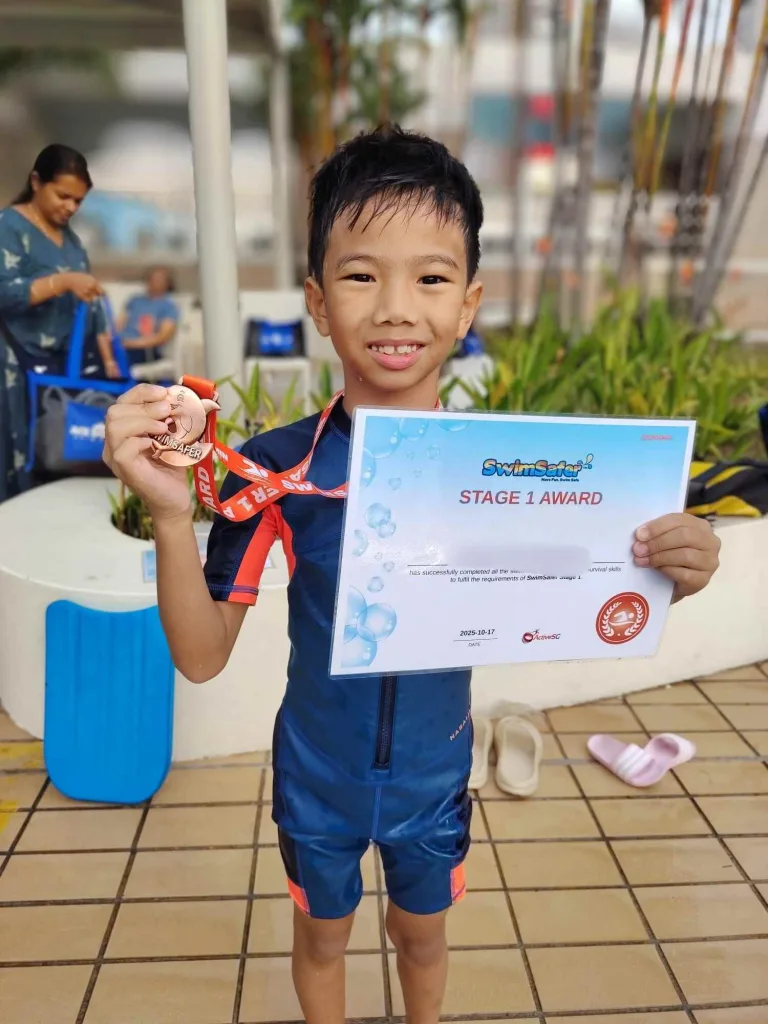
Child passing swimsafer 1 with medal and cert

Free Trial Swim Lesson 🎉

Try a trial lesson first—no pressure to commit. We’ll assess your child’s level and recommend the best class.

Private Swimming Lessons Singapore

testing

SENIOR COACH

test

Coach Fabian

Fabian Goh

SENIOR COACH

Coach Fabian is a dedicated swimming coach with over six years of experience working with children aged 4 to 12. A lifelong swimmer who began his journey at the age of 8, Fabian brings a deep understanding of the water and a strong foundation in all swimming strokes to his coaching.

His philosophy centers on developing efficient and correct stroke patterns through patient instruction and targeted drills, empowering young swimmers to reach their full potential. Passionate about nurturing young talent,

Coach Fabian is committed to fostering a love for swimming while helping each child achieve their best.

portrait of Coach Sunny

Coach Sunny

SENIOR COACH

With extensive experience in swim coaching, Coach Sunny is a certified SwimSafer Instructor and Assessor, dedicated to nurturing confident and skilled swimmers. His impressive qualifications include Life Savings 123, Standard First Aid, CPR, AED, Basic Sports Science, SG Coach Theory 1, NCAP Swimming Level 1, and NROC Swimming. A SafeSports-certified coach, he prioritizes safety and progress in every lesson. Known for his patient and engaging teaching approach, Coach Sunny has earned praise, including a complimentary letter from a club parent, highlighting his commitment to excellence and his ability to inspire swimmers of all levels.

Coach Ivan Holmberg

Ivan Holmberg

SENIOR COACH

Coach Ivan is a dedicated and passionate swim coach with 16 years of experience. Committed to teaching children the art and skills of swimming, he creates engaging and effective training programs tailored to each child’s abilities and goals.

Ivan fosters a positive and supportive environment, emphasizing confidence, safety, and proper technique while making swimming fun. As a Team Leader for MOE’s northern cluster CCA swimming program and a former coach of SAS’s competitive team, Fighting Fish, he has worked with swimmers of all ages and skill levels. Ivan understands the developmental stages of swimming and provides personalized guidance to help each child reach their full potential. Beyond coaching, he is deeply passionate about swimming, staying updated on training methods, and supporting his swimmers at competitions.

Ivan aims to teach swimming and instill life skills such as perseverance, discipline, and teamwork, empowering the next generation of confident and capable swimmers. With his guidance, children become proficient swimmers and develop a lifelong appreciation for the water.

Aw Wei Jie

LEAD COACH

Coach Wei jie was the Swim Team Captain for Nanyang Poly swim team in 2007 and an Ex-National Lifesaving member. He is currently serving as the Sport Lifesaver at SSTA club and is and an avid diver. Wei Jie is also a certified Diving instructor.

Wei Jie’s kind and passionate personality has won much respect amongst coaches and students alike.

He is certified under NROC, Swim Safer 2.0 and SSPA and has been coaching for more than 13 years.

Huang Han Rong

HEAD COACH

Being the Swim Team Captain of Nanyang Polytechnic for 3 years (2005 – 2007), Hanrong received the prestigious NYAA (National Youth Achievement Award) from then Singapore President SR Nathan in 2007.

He was also a member of SSA (Singapore Swimming Association) as a competitive swimming representative and has won numerous swimming competitions.

As his Swimming career progressed, he have been a swimming coach for 17 years, conducting courses for both beginners and competitive swimmers. More than 2000 students have since graduated under his guidance.

He is an NROC, NCAP, SSPA, Swim Safer accredited coach.